PI-200-L

QC/QA Raman Laboratory Analyzer

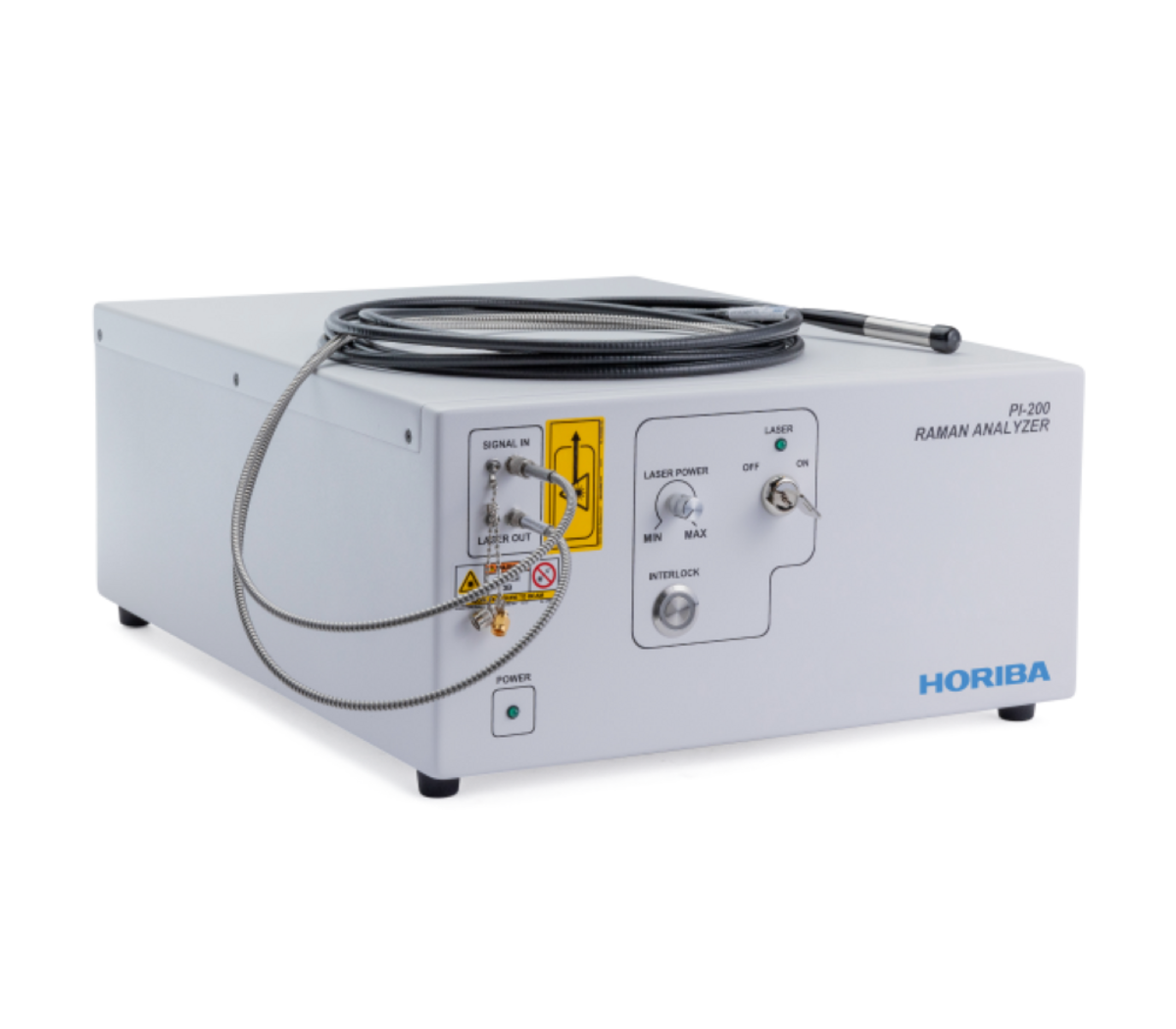
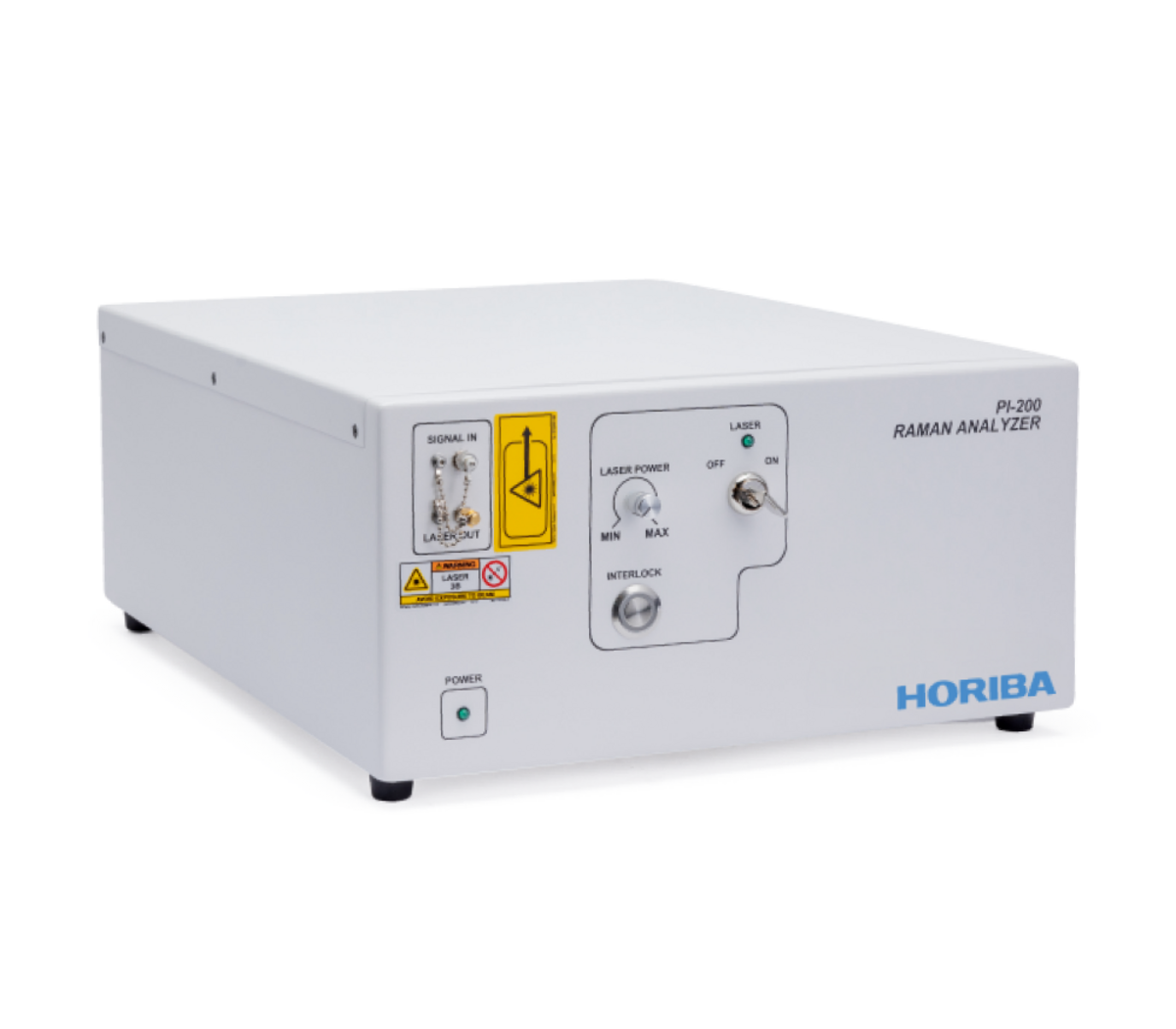
The HORIBA PI-200-L Laboratory Analyzer is a state-of-the-art solution for quality control and assurance in modern laboratories. Designed to be interfaced with a fiber optic probe for low-level detection and optional auto-sampler capabilities, this benchtop Raman laboratory analyzer streamlines routine sample analysis and enhances productivity. Whether you’re developing calibration models for your Online Process Raman Analyzers or performing high-throughput quality assurance routine testing, the PI-200-L is built to optimize your workflow and deliver reliable results.

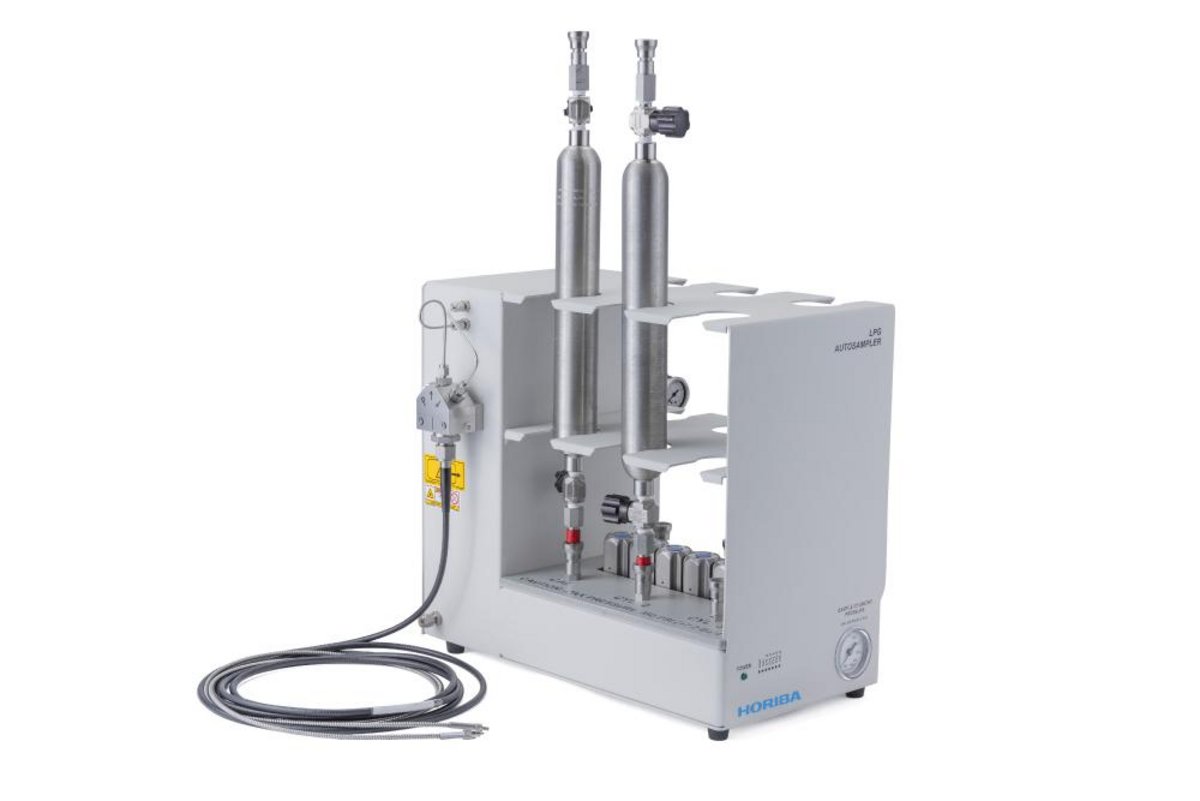
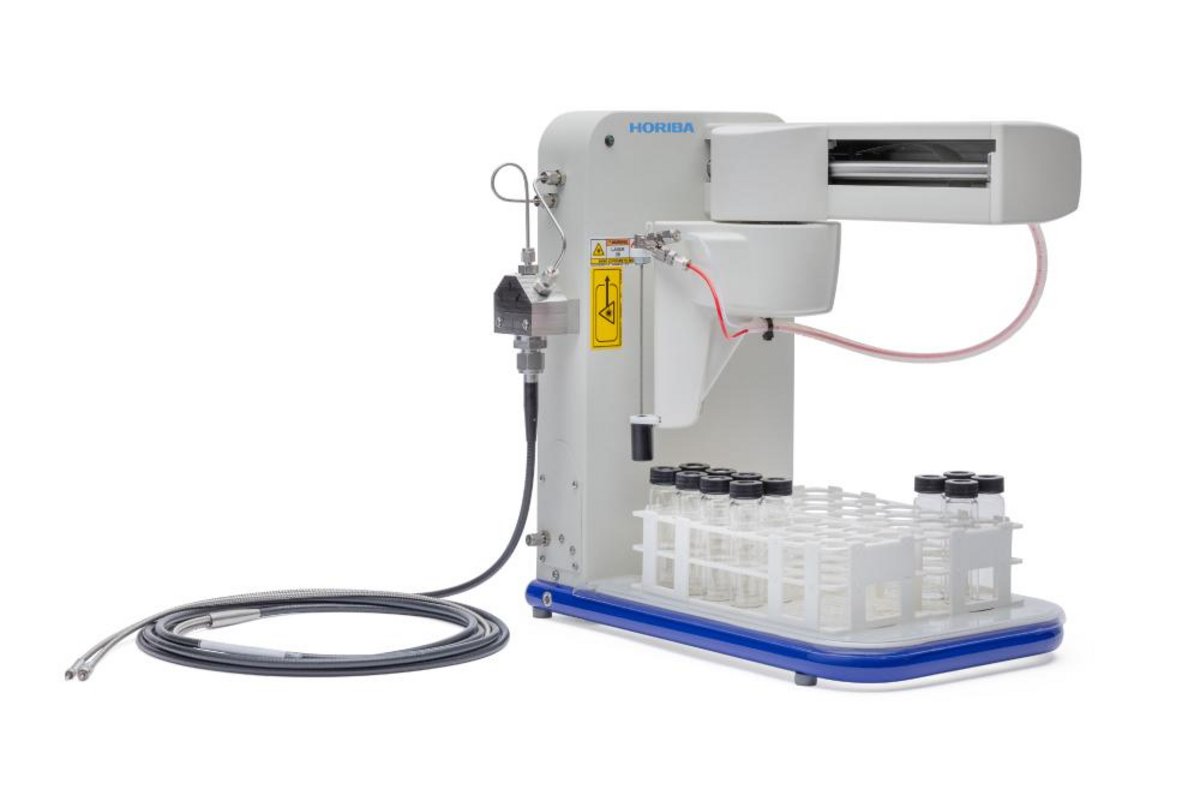
Optional Auto-Samplers for Streamlined Testing: The analyzer integrates seamlessly with a 42-station liquid auto-sampler or a 6-station bomb LPG auto-sampler, automating sample handling and significantly improving throughput.

Model Development for Process Integration: Develop and refine calibration models in the lab before transferring them to HORIBA’s on-line analyzers like the PI-200-SP or PI-200-I, ensuring consistency and integrity across your entire process monitoring system.

Versatile Applications for Enhanced Productivity: From routine sample testing to calibration and method development, the PI-200-L adapts to your laboratory needs, helping you reduce routine testing time and increase overall efficiency.

事業セグメント: Process And Environmental
製造会社: HORIBA Instruments Incorporated

Streamline Laboratory Efficiency

The PI-200-L is more than a QC/QA analyzer; it’s a tool for driving efficiency and innovation in your lab. By combining robust analytical performance with automation capabilities, the PI-200-L allows laboratories to:

  • Reduce manual intervention with liquid and LPG autosampler integration.
  • Improve accuracy and reliability with advanced low-level detection.
  • Save time by developing transferable calibration models.
  • Perform routine sample analysis with speed and confidence.

Seamless Integration with HORIBA On-Line Analyzers

As part of the HORIBA PI-200 Series, the PI-200-L supports scalable process monitoring solutions. Calibration models created with the PI-200-L can be seamlessly transferred to HORIBA’s PI-200-SP Single-Point Analyzer or PI-200-I Multi-Point Analyzer, ensuring continuity and accuracy from the lab to the production line.

With decades of expertise in Raman spectroscopy and industrial process instrumentation, HORIBA is a trusted partner for laboratories worldwide. The PI-200-L is backed by our commitment to delivering high-performance solutions, exceptional customer service, and reliable technical support.

Spectrograph

Aperture:f/2.0
Focal length:135 mm
Resolution:~ 4cm-1@ 785 nm excitation
CCD camera:Andor 1024 x 127 pixels, pixel size 26 µm
Camera cooling:4-stage TE-cooling <-82°C
CCD chip is deep depleted and back illuminated for higher NIR-quantum efficiency 
Spectral coverage (adjustable):~250 to 2650 cm-1 (785 nm excitation)
High performance, anti-reflection, aberration-corrected optics 
Spectrograph, temperature controlled (~ 33°C) for added stability 
Image curvature at exit plane < 0.5 pixel over full height of CCD array 

Laser

Power > 450 mW 
785 nm standard; other wavelengths available upon request 
Laser life expectancy:> 4 years
Wavelength accuracy:+/- 0.1 nm
Wavelength stability:- < 0.011 cm-1 drift per month

Calibration

Automatic for both x-axis and y-axis
Temperature control for Laser and Spectrograph

Raman Probe

Incorporating 10-8 Rayleigh filtering 
Fiber coupling with slit array: 100 µm x 3.3 mm tall
Fiber optic probe length: 5 m
200 µm diameter excitation fiber, 400 µm collection fiber 
Focal length: 5 mm
Power requirements: 4 amps
Outputs available: TPC-IP, serial Modbus, and 4-20mA
Certifications: Lasers CE and CDRH-certified
Computer requirements: Windows Desktop PC or laptop
Petrochemical Industry
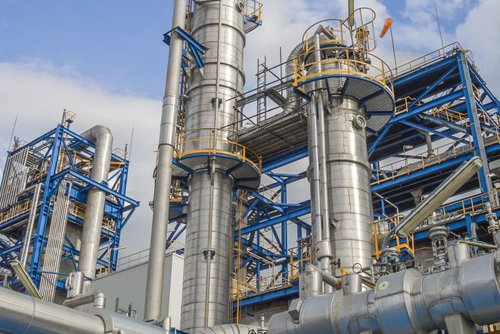
Petrochemistry is a process in which basic products are generated using oil and natural gas as raw materials in order to produce base set of chemical compounds (derivatives) for diverse related industries, such as synthetic fibers and synthetic resins. In Japan, naphtha is mainly used as the raw material for this process. In other countries, however, less expensive manufacturing of derivatives such as ethylene manufacturing from non-naphtha materials (e.g., shale gas and coal).

お問い合わせ

* 項目は必ずご記入ください。

HORIBAグループ企業情報