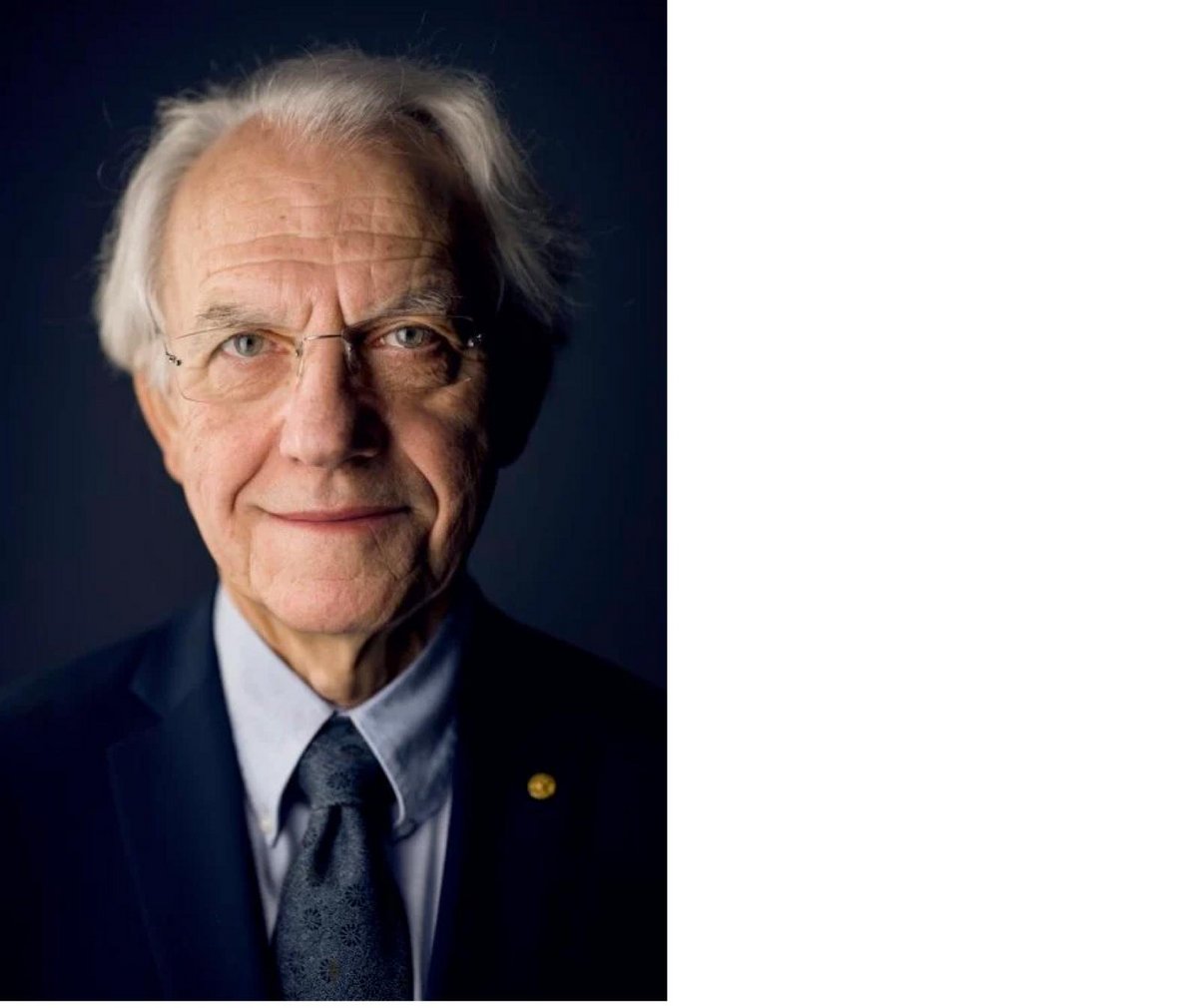
Crédito: Nobel Prize Outreach. Foto: A. Mahmoud
Gérard Mourou, nascido em 1944, é um físico francês e pioneiro mundialmente reconhecido no campo dos lasers ultrarrápidos. Sua carreira foi marcada por uma busca incansável por maior intensidade de laser, o que levou a uma invenção que revolucionou a óptica e abriu caminho para aplicações na medicina, na indústria e na física fundamental. Ele ocupou cargos de destaque em instituições como a Universidade de Rochester, a Universidade de Michigan e a École Polytechnique.
Em 2018, Gérard Mourou foi laureado com o Prêmio Nobel de Física (juntamente com sua ex-aluna de pós-graduação, Donna Strickland) por seu método de geração de pulsos ópticos ultracurtos de alta intensidade. Esse método é conhecido como Amplificação de Pulso Chirpado (CPA, na sigla em inglês).
Antes da CPA, os cientistas tinham limitações quanto à capacidade de amplificar um pulso de laser curto e intenso. Tentar amplificar diretamente um pulso potente e ultracurto inevitavelmente destruiria o material amplificador do laser, pois a potência de pico era simplesmente muito alta.
A ideia para a CPA surgiu para Mourou em um teleférico durante o inverno rigoroso de Rochester, Nova York. A técnica, estabelecida em 1985, é descrita como elegantemente simples:
O resultado é um pulso ultracurto (da ordem de femtosegundos) e incrivelmente potente, atingindo a faixa de petawatts com uma intensidade impossível de alcançar antes do CPA.
A invenção do CPA tornou-se o novo padrão para lasers de alta intensidade em todo o mundo, possibilitando uma "revolução a laser" com aplicações de longo alcance:
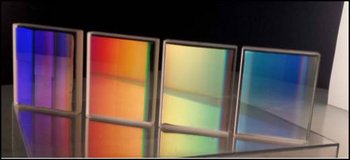
Uma parte crucial do avanço da CPA foi o projeto final da maca e do compressor, que exigiu o uso de grades de difração em ambas as etapas para garantir uma correspondência perfeita.
Limitação inicial: A demonstração inicial do CPA de Mourou, em 1985, utilizou pequenas grades para o compressor e um cabo de fibra óptica para o esticador. Essa incompatibilidade limitou a eficiência e a potência de saída do pulso final.
O Salto Tecnológico: Para aumentar a potência, Mourou precisava de grades muito maiores, mais robustas e altamente eficientes, tanto para as etapas de estiramento quanto de compressão. Ele colaborou com Jobin Yvon (agora HORIBA França) para desenvolver esses componentes especializados.
HORIBA desenvolveu grades de difração enormes para os padrões da época (190 mm por 350 mm), cerca de 25 vezes maiores que o padrão comercial. Esse aumento de tamanho permitiu um aumento proporcional na energia do pulso de laser. Eles também desenvolveram superfícies especiais revestidas de ouro com alta resistência a danos e alta eficiência (acima de 90%), o que era essencial, pois o feixe de laser reflete em quatro grades, amplificando qualquer perda à quarta potência.
A combinação do grande tamanho e da robustez das grades de difração foi a chave que possibilitou os lasers de alta intensidade da classe petawatt. Esse componente essencial foi considerado tão importante que, quando solicitado a fornecer um item para comemorar seu Prêmio Nobel, Mourou escolheu exibir uma das grades de difração HORIBA (Jobin Yvon) originais no Museu Nobel em Estocolmo, reconhecendo-a como o avanço crucial que tornou possível a verdadeira tecnologia CPA de alta potência.
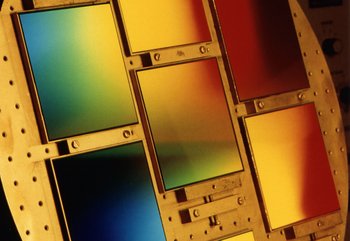
Capacidade de projeto e produção de grades OEM
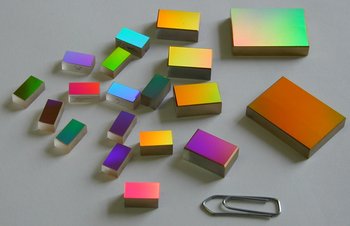
Capacidade de projeto e produção de grades OEM
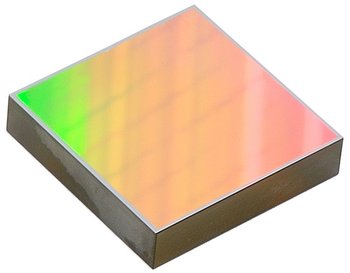
Capacidade de projeto e produção de grades OEM
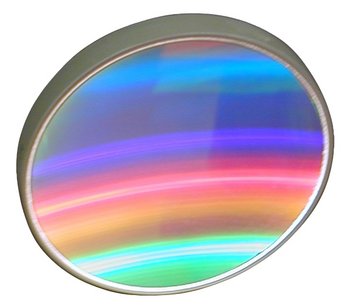
Capacidade de projeto e produção de grades OEM
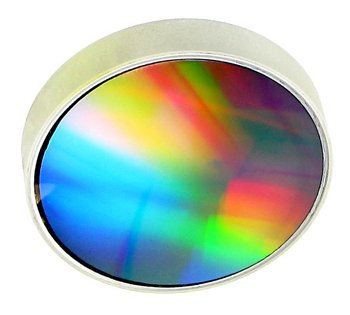
Capacidade de projeto e produção de grades OEM
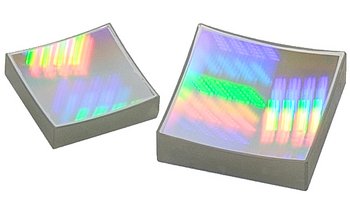
Capacidade de projeto e produção de grades OEM

Grades de compressão de pulso usando técnicas holográficas
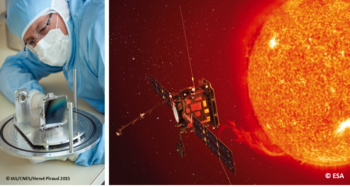
Qualificado para o espaço e TRL9
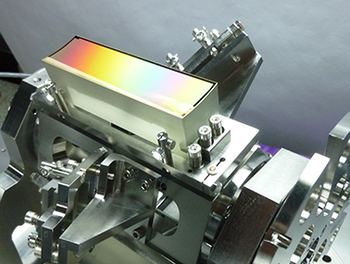
Grades Lamelares Holográficas
Você tem alguma dúvida ou solicitação? Utilize este formulário para entrar em contato com nossos especialistas.