
Figure 1. Milk
Milk is a significant source of calcium (Ca), which is essential for various bodily functions, including maintaining bone health, muscle function, and nerve transmission. The calcium content in milk is one of the key nutritional facts displayed on milk packaging.[1]
Typical analytical methods for calcium determination in milk are titration[2], atomic absorption spectrophotometry (AAS)[3], and inductively coupled plasma atomic emission spectrometry (ICP-AES)[4]. However, these methods require time-consuming sample preparation, specialized laboratory equipment, and the use of toxic chemical reagents.
In this application note, we introduce HORIBA’s compact benchtop X-ray fluorescence spectrometer, MESA-50, as an easy, rapid, and safe method for determining calcium content in milk.
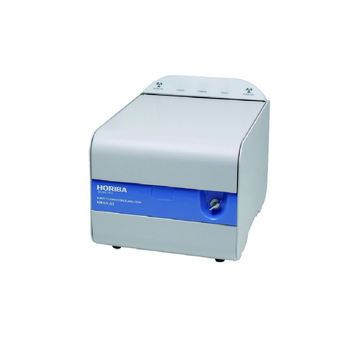
Figure 2. HORIBA MESA-50 X-ray Fluorescence Analyzer
The MESA-50 is a compact benchtop EDXRF analyzer with an A4-sized footprint, offering rapid and non-destructive elemental analysis.
The MESA-50 irradiates primary X-rays from below and detects fluorescent X-rays using a silicon drift detector. Liquid samples, such as milk, can be analyzed by placing them in a sample cup.
XRF spectra display peaks corresponding to the emission of elements in a sample. The peak intensity is proportional to the elemental content within the interaction volume of the X-ray beam. Thus, the MESA-50 enables calcium content determination.
We prepared five commercial milk products containing different calcium content (Table 1).
Table 1. List of the 5 different milk samples prepared for this application note
Sample preparation for EDXRF analysis is simple, quick, and safe. It does not require laboratory equipment such as balances, flasks, or beakers, reducing the risk of glass fragment contamination in case of breakage. Additionally, no toxic strong acids or alkaline reagents are needed, making the process safer and more cost-effective for operators.
1. Bring the milk packets to reach room temperature in the lab
2. Gently shake each milk packet several times to ensure homogeneity and prevent sedimentation (Figure 3a).
3. Pour the milk into a sample cup (Figure 3b), cover it with a thin film, and fix it with an outer frame.
4. Gently shake the sample cup just before measurement to avoid sedimentation.
5. Place the sample cup onto the analyzer's measurement position immediately (Figure 3c).
Figure 3. Sample preparation for EDXRF analysis of calcium in milk.
We carried out the measurements under the measurement conditions described in the caption of Figure 4. The keynote here is that we used a primary X-ray filter to reduce unexpected interference with fluorescent peaks of Pd as the anode target material used in X-ray generator. Also, we ran each measurement over short time intervals of 30 seconds to reduce segmentation in milk during measurement. We repeated each 3 times (n=3) per sample.
Figure 4a shows the five different milk products’ EDXRF spectra. We could see a trend that milk products containing higher calcium had higher Ca peak intensity. Figure 4b shows correlation plots between Ca concentration displayed on the packaging vs. Ca-Kα peak intensity, and the result showed a good regression coefficient (0.999 > R2). This is a good indication that EDXRF is a suitable method for this kind of application.
Figure 4. Results of the five milk products using MESA-50 (a) EDXRF spectra (Ca peaks zoomed) (b) Correlation plots between Ca concentration displayed on the packaging (mg/L) vs. Ca-Kα peak intensity (cps/mA). [Condition] MESA-50, Voltage: 50 kV, Current: 200 µA, Filter: Low, Processing time: Process 2, Spot size: 3 mm, Measurement time: 30 seconds.
Based on our experiment, we could demonstrate the feasibility of a HORIBA compact benchtop EDXRF analyzer MESA-50 as an easy and rapid method for calcium determination in milk.
[1] Harvard T.H. Chan School of Public Health. (no date). Calcium. The Nutrition Source. https://nutritionsource.hsph.harvard.edu/calcium/
[2] International Standard, ISO 12081:2010 “Milk – Determination of Calcium Content Titrimetric Method”
[3] International Standard, ISO 8070:2007 “Milk and milk products — Determination of calcium, sodium, potassium and magnesium contents — Atomic absorption spectrometric method”
[4] International Standard, ISO 15151:2018 “Milk, milk products, infant formula and adult nutritionals — Determination of minerals and trace elements — Inductively coupled plasma atomic emission spectrometry (ICP-AES) method”
Application note XRF25 (2025)
X-Ray Fluorescence Analyzer
Tiene alguna pregunta o solicitud? Utilice este formulario para ponerse en contacto con nuestros especialistas.