PI-200-DP

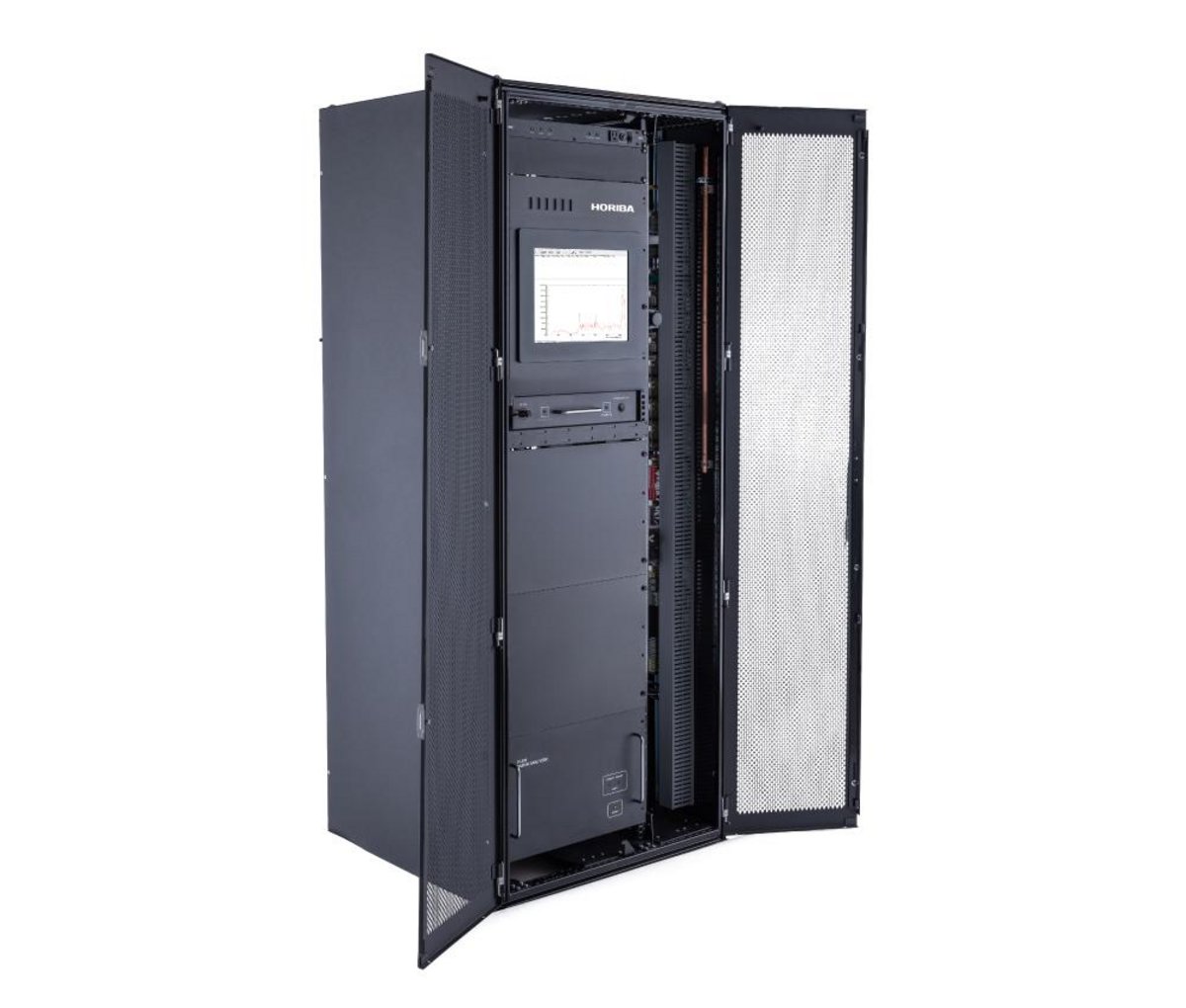
Dual-Point Process Raman Analyzer

HORIBA’s PI-200-DP Dual Point On-line Raman Analyzer takes process monitoring to the next level, offering the flexibility to measure from two distinct sampling points with one powerful system. Building on the robust foundation of our flagship PI-200 single-point analyzer, the PI-200-DP is designed to deliver versatility and precision in demanding industrial applications.

事業セグメント: Process And Environmental
製造会社: HORIBA Instruments Incorporated

The PI-200-DP Dual-Point Raman Analyzer for Optimized Performance and Cost Savings

  • Dual Sampling for Enhanced Insight: Monitor two critical points in your process—such as the start and end of a reaction or two entirely different process streams—with a single analyzer. The PI-200-DP is engineered to handle even the most varied chemical compositions, making it ideal for complex industrial setups.
  • Optimize Critical Applications: From chemical reactors to pipelines and batch processing, the PI-200-DP provides real-time data that empowers you to optimize your operations. Its dual-point monitoring capability is particularly beneficial for ensuring consistency and quality in dynamic environments.
  • Streamlined Performance, Reduced Capital Costs: By monitoring two sampling points with one analyzer, the PI-200-DP simplifies your process monitoring infrastructure, reducing hardware requirements and operational costs without sacrificing performance.


With decades of expertise in Raman spectroscopy and process instrumentation, HORIBA Process Instruments is an experienced and trusted partner for industries worldwide. The PI-200-DP Process Raman Analyzer is backed by our commitment to delivering high-performance solutions, exceptional customer service, and ongoing technical support to keep your operations running smoothly.

Spectrograph

Aperture:f/2.0
Focal length:135 mm
Resolution:~ 4cm-1@ 785 nm excitation
CCD camera:1024 x 127 pixels, pixel size 26 µm
Camera cooling:4-stage TE-cooling <-82°C
CCD chip is deep depleted and back illuminated for higher NIR-quantum efficiency 
Ruled Grating with 1200 lines/mm. 
Spectral coverage (adjustable):~250 to 2650 cm-1 (785 nm excitation)
High performance, anti-reflection, aberration-corrected optics 
Spectrograph, temperature controlled (~ 33°C) for added stability 
Image curvature at exit plane < 0.5 pixel over full height of CCD array

Laser

Power > 450 mW 
785 nm standard; other wavelengths available upon request 
Laser life expectancy:> 2-4 years

Calibration

Automatic for both x-axis and y-axis
Temperature control for Laser and Spectrograph

Raman Probe

Incorporating 10-8 Rayleigh filtering 
Fiber coupling with slit array: 100 µm x 3.3 mm tall
Fiber optic probe lengths: Up to 1150 ft (350 m)

Optical Fiber

Dual core, low OH, multimode fibers (200-micron and 400-micron diameters) cable
Cable OD is 9.2 mm, fabricated with tough, LSZH Outer jacket with aramid yarn strength member
Dummy inserts for increased stiffness
Cable can be laid in cable tray or in conduit.
Cable is cut to length, terminated and tested at factory.
I/O Included:16 Digital Inputs, 8 Digital Outputs, 8 Contact Alarm Relays, Four 4 to 20mA
Power requirements:On-line 10 Amps
Outputs:TCP/IP, RS-485, and RS-232
CertificationsLasers CE, CDRH-certified, and EN60825-1
Analyzer ETL (UL-61010)
Dimensions32" (81.28 cm W) x 79" (200.66 cm H), 477lbs
Petrochemical Industry
Petrochemistry is a process in which basic products are generated using oil and natural gas as raw materials in order to produce base set of chemical compounds (derivatives) for diverse related industries, such as synthetic fibers and synthetic resins. In Japan, naphtha is mainly used as the raw material for this process. In other countries, however, less expensive manufacturing of derivatives such as ethylene manufacturing from non-naphtha materials (e.g., shale gas and coal).

お問い合わせ

* 項目は必ずご記入ください。

HORIBAグループ企業情報