
<< Back to OEM Solutions for Environment
Gas analysis involves detecting the composition and quality of gases in the environment to ensure air safety and compliance with health and environmental standards. Specifically, monitoring nitrogen oxides (NO/NO2), sulfur dioxide (SO2), carbon oxides (CO/CO2), and oxygen (O2) helps effectively control pollution sources and promotes the practice of environmentally friendly production. Gas analysis not only contributes to environmental protection but also serves as a vital tool for advancing sustainable development.
Different types of gases | Gas analysis techniques | HORIBA solutions
In industrial production and natural environments, the main types of gases include:
Nitrogen oxides are among the primary air pollutants, existing as nitric oxide (NO) and nitrogen dioxide (NO2). NO readily converts to NO2, a highly irritating gas that can cause respiratory diseases. These oxides mainly originate from fossil fuel combustion, nitric acid fertilizer production, and vehicle emissions. When nitrogen oxides react with volatile organic compounds (VOCs) under sunlight, they form photochemical smog, leading to health issues such as mucosal irritation, headaches, and breathing difficulties. Companies exceeding emission limits may face penalties, production halts, or even shutdowns.
SO2 is primarily emitted from non-ferrous metal smelting, sulfuric acid production, and fossil fuel combustion. It is a key pollutant subject to national emission control measures. Prolonged exposure to high concentrations of SO2 is harmful to humans and plants. Additionally, SO2 is a major contributor to acid rain, which can further produce sulfuric acid mist and sulfate particles, corroding building surfaces, reducing crop yields, and causing widespread forest degradation.
Carbon oxides are among the most widespread and abundant pollutants in the atmosphere, primarily generated by the combustion of carbon-containing materials such as coal and oil. Major sources include internal combustion engines and fossil fuel combustion in boilers. In response to global climate change, countries are actively pursuing "carbon peak" and "carbon neutrality" goals. As a result, monitoring CO2 emissions from fixed emission sources, such as thermal power plants, has become a priority in many nations, including China.
In Continuous Emissions Monitoring Systems (CEMS), measuring oxygen content in flue gas is critical. It serves as a key indicator for assessing whether excess air dilutes flue gas concentration during boiler combustion and is essential for calculating pollutant concentrations. Accurate measurement of oxygen content helps optimize combustion processes, improve energy efficiency, and ensure compliance with emission regulations.
Technologies have driven the widespread application of various high-precision gas analysis techniques across industries and environmental protection. These technologies, with their unique advantages and broad applicability, collectively form a powerful toolbox for modern gas measurement and analysis.
Commonly used gas measurement and analysis technologies include:
These techniques are based on different physical and chemical principles, such as spectral absorption, fluorescence effects, and chemiluminescence. By measuring and analyzing gas samples, they provide accurate information on gas concentration and composition.
With over 70 years of experience in manufacturing analytical and measurement instruments, HORIBA offers highly reliable solutions for OEM customers in the gas analysis industry. In addition to standardized gratings and spectrometers, various solutions such as holographic plane gratings, concave flatfield imaging gratings, and modularly designed gas analyzers can flexibly meet diversified OEM customization needs. These solutions address issues such as sensitivity, wavelength coverage, long-term stable measurement, and trace analysis, helping businesses meet regulatory requirements, reduce maintenance, and improve production efficiency and market competitiveness.
DOAS utilizes ultraviolet diffraction to precisely measure gas components and can be customized to meet diverse needs. HORIBA's DOAS technology boasts high precision, automatic error correction and drift prevention capabilities, and can quickly respond to fluctuations in organic compound concentrations. It has a wide range of applications and can be used for measuring various environments such as flue gas, water, and air. It is easy to operate without the need for training, has low maintenance costs, and is simple to maintain.
The UVF method effectively reduces moisture interference through a unique fluorescence cell design. Meanwhile, the technology is equipped with an aromatic hydrocarbon scrubber to minimize the interference from hydrocarbon components and improve measurement accuracy. In addition, the UVF technology compensates for the intensity of the UV light source to ensure accurate results over the full measurement range, providing a reliable guarantee for gas analysis.
CLA method can measure the NO, NO2 and Nox simultaneously with a wide range of gas monitoring applications. The technology utilizes an automatic recirculating drying system to provide dry air to the ozone generator, ensuring stable measurements over long time. In addition, the CLA technology utilizes semiconductor materials as sensors to extend service life and eliminates drift through alternate flow modulation, improving measurement accuracy and stability.
DOAS utilizes ultraviolet diffraction to precisely measure gas components and can be customized to meet diverse needs. HORIBA's DOAS technology boasts high precision, automatic error correction and drift prevention capabilities, and can quickly respond to fluctuations in organic compound concentrations. It has a wide range of applications and can be used for measuring various environments such as flue gas, water, and air. It is easy to operate without the need for training, has low maintenance costs, and is simple to maintain.
GI-700 series Stack Gas Analyzer
This instrument can be used with a variety of techniques including CLA, NDIR and MPA.
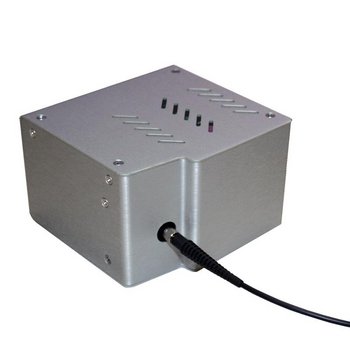
High Spectral Rate and High Dynamic Range Miniature Spectrometers
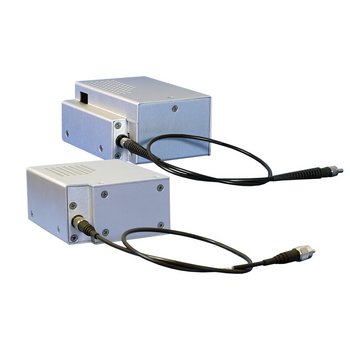
Compact High Resolution CMOS or CCD Spectrometer
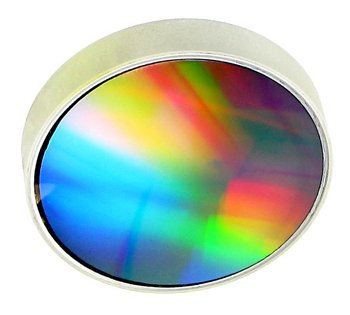
OEM gratings design and production capabilities
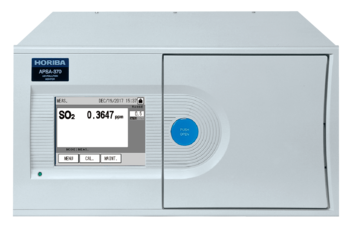
Ambient Sulfur Dioxide Monitor
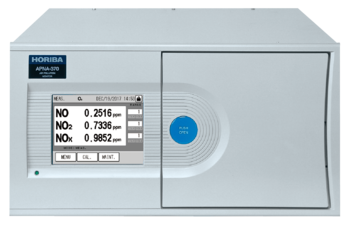
Ambient NOx Monitor
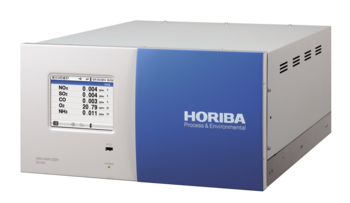
Stack Gas Analyzer
HORIBA제품의 자세한 정보를 원하시면, 아래의 양식에 내용을 입력을 부탁드립니다.


