Photo Courtesy of Christopher Michael
The Nobel Prize in Chemistry for the year 2020 was awarded to Dr. Jennifer A. Doudna, born on February 19, 1964, in Washington, D.C. At the time of receiving the prestigious award, Dr. Doudna was affiliated with the University of California, Berkeley, CA. The recognition was granted in acknowledgment of her groundbreaking contributions to the development of a revolutionary method for genome editing.
The fundamental processes governing the intricate tapestry of life in organisms are meticulously regulated by genes, comprising segments of DNA. It was in the year 2012 that Jennifer Doudna, in collaboration with Emmanuelle Charpentier, introduced a method characterized by its exceptional precision in genome editing. Their pioneering approach harnessed the immune system of a bacterium, which has an innate capability to incapacitate viruses by cleaving their DNA strands with a molecular mechanism analogous to genetic scissors. This innovative technique, adapted through the extraction and simplification of the molecular constituents of these genetic scissors, exhibited universal applicability.
The result of their transformative work was the creation of CRISPR/Cas9, a genetic editing tool that holds the potential to revolutionize various scientific domains. The CRISPR/Cas9 system has not only facilitated new scientific revelations but also promises substantial advancements in agriculture through the development of improved crop varieties. Furthermore, it has emerged as a formidable weapon in the ongoing battle against cancer and genetic diseases, offering unprecedented opportunities for precise genetic modification.
Doudna's invaluable contributions to the field were further emphasized during her Nobel lecture, titled "The Chemistry of CRISPR: Editing the Code of Life." It was in this address that she elucidated the intricacies and far-reaching implications of the CRISPR/Cas9 technology, shedding light on its capacity to decipher and manipulate the genetic code of life itself.
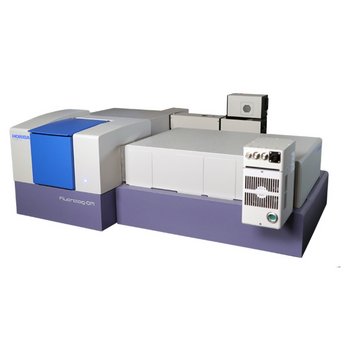
Remarkably, in the course of her research journey, Doudna utilized a FluoroMax-3 for fluorescence measurements. This instrument played a role in her scientific investigations, contributing to the accumulation of knowledge that ultimately led to her groundbreaking achievements in the realm of genome editing.
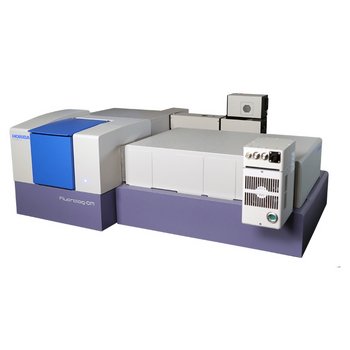
Modular Research Fluorometer for Lifetime and Steady State Measurements
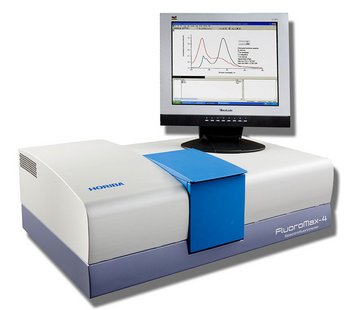
Steady State and Lifetime Benchtop Spectrofluorometer
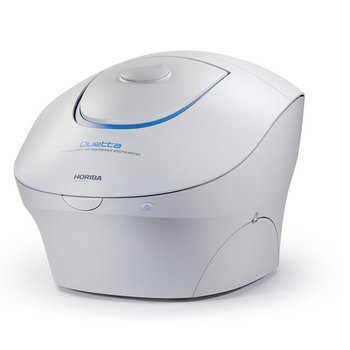
Fluorescence and Absorbance Spectrometer
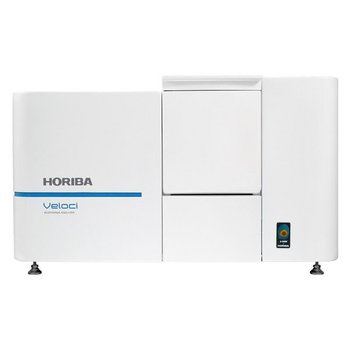
A-TEEM Spectroscopy
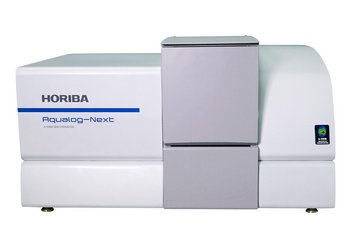
Unlock Unprecedented Insights into Water Quality and Environmental Health
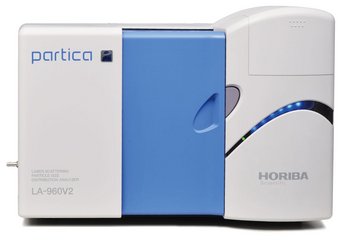
레이저 산란 입자 크기 분포 분석기
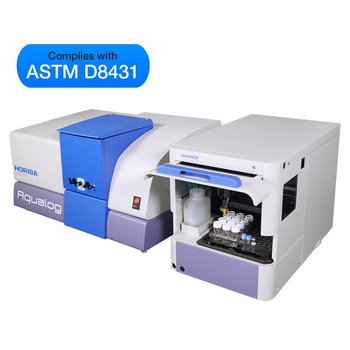
A Simple, Fast, “Column Free” Molecular Fingerprinting Technology
HORIBA제품의 자세한 정보를 원하시면, 아래의 양식에 내용을 입력을 부탁드립니다.