Sir J. Fraser Stoddart, Photo Courtesy of A. Mahmoud
Sir J. Fraser Stoddart, a distinguished Scottish chemist, was awarded the Nobel Prize in Chemistry in 2016 for his groundbreaking work in the design and synthesis of molecular machines. Born on May 24, 1942, in Edinburgh, Scotland, Stoddart's journey to scientific prominence is a testament to his innovative thinking and profound contributions to the field of chemistry.
Stoddart earned his Bachelor of Science degree in Chemistry from the University of Edinburgh in 1964, followed by a Ph.D. from the University of Edinburgh in 1966. His early research interests centered on the synthesis of complex organic molecules, a theme that would later become integral to his pioneering work.
The turning point in Stoddart's scientific career came with his exploration of mechanically interlocked molecules, a concept that led to the development of molecular machines. These molecules are constructed by threading one molecule through another, creating structures that mimic the mechanics of machines on a molecular scale.
One of Stoddart's most notable accomplishments was the synthesis of the first rotaxane, a mechanically interlocked molecule resembling a molecular shuttle. In the early 1990s, he successfully synthesized this intricate structure, setting the stage for the design and creation of various molecular machines.
The breakthroughs achieved by Stoddart and his research team extended to the development of other molecular machines, including molecular elevators and switches. These synthetic systems showcased the potential for molecular machines to perform mechanical functions at the nanoscale, akin to their macroscopic counterparts.
Stoddart's work on molecular machines had profound implications across various scientific disciplines, including materials science, nanotechnology, and even medicine. These molecular machines offered opportunities for precise drug delivery, the development of advanced materials, and the creation of new avenues for nanoscale engineering.
While Sir Stoddart's journey to scientific acclaim culminated in the Nobel Prize in Chemistry in 2016, his contributions to the field continue to shape the landscape of molecular science and nanotechnology. His pioneering work has not only pushed the boundaries of what is possible at the molecular level but has also opened doors to a multitude of applications that have the potential to revolutionize industries and technologies in the years to come.
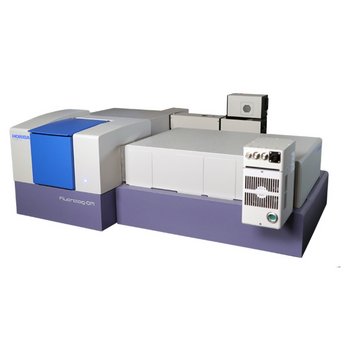
Stoddart was known to employ the HORIBA Fluorolog 3 and the FluoroMax 3 in his research.
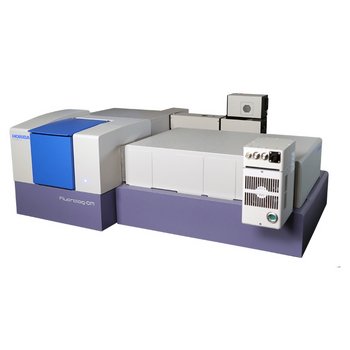
Modular Research Fluorometer for Lifetime and Steady State Measurements
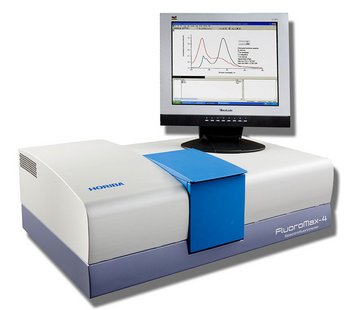
Steady State and Lifetime Benchtop Spectrofluorometer
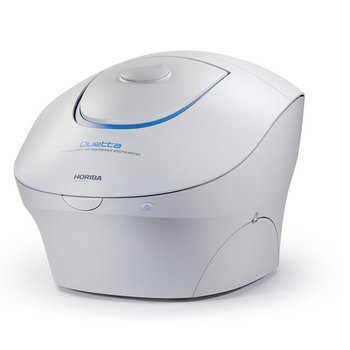
Fluorescence and Absorbance Spectrometer

A-TEEM Spectroscopy
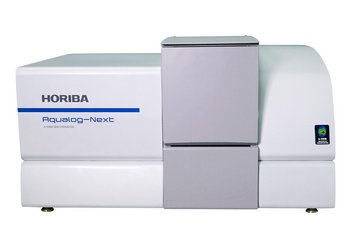
Unlock Unprecedented Insights into Water Quality and Environmental Health
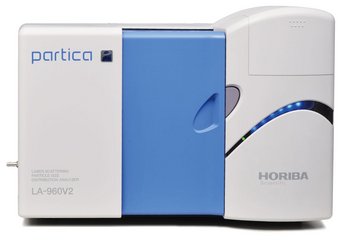
레이저 산란 입자 크기 분포 분석기
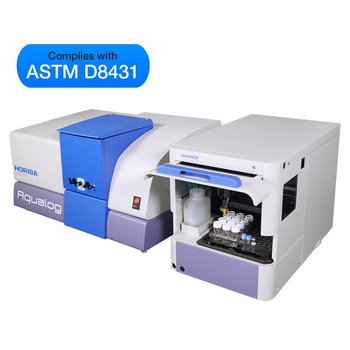
A Simple, Fast, “Column Free” Molecular Fingerprinting Technology
HORIBA제품의 자세한 정보를 원하시면, 아래의 양식에 내용을 입력을 부탁드립니다.