

Comparison with Other Elemental Analysis
Gas Extraction method is the best method for Carbon, Sulfur, Oxygen, Nitrogen and Hydrogen quantitative analysis because of the high sensitivity without influence of coexisting gases, wide concentration range, good repeatability and high-speed analysis.
Analysis method | C | S | O | N | H | Advantages | Disadvantages |
|---|---|---|---|---|---|---|---|
ICP-OES | × | ○ | × | × | × |
|
|
Atomic Absorption | × | ○ | × | × | × | ||
| XRF | △ | △ | △ | △ | × |
|
|
| Spark OES | ○ | ○ | ○ | ○ | × | ||
Gas Extraction | ✓ | ✓ | ✓ | ✓ | ✓ |
|
|
✓: Highly suitable ○:Suitable △:Partly suitable ×:Unsuitable
Other than the Gas Extraction method, there is no technique able to provide analysis of C/S, O/N and H with such sensitivity and within few minutes.
For example:
- ICP-OES can determine about 70 elements of the periodic table, but not C, O, N and H.
- ED-XRF cannot measure O, N and C.
- WD-XRF can measure C at % levels only.
- Spark-OES instruments cannot measure H accurately and are not reaching the performance of Gas Extraction method for both low and high levels of concentration.
A limitation of the Gas Extraction method instruments is that they are not designed to handle liquid samples and cannot perform measurement of organic C, S, O, N and H. Also, such instruments are not designed to perform measurements on the field or close to process and having them in transportable laboratory lead to an expensive solution due to the need of gases and high electrical current.
제품 문의
HORIBA제품의 자세한 정보를 원하시면, 아래의 양식에 내용을 입력을 부탁드립니다.
Related Products
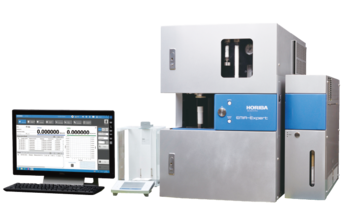
탄소/황 분석기
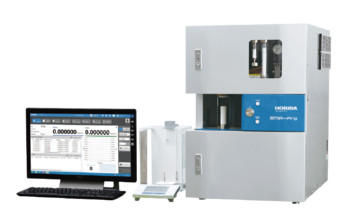
탄소/유황 분석기
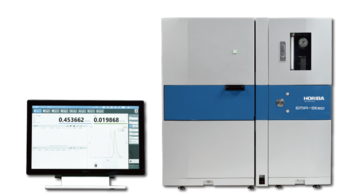
탄소/황 분석기 (인덕션 퍼니스 타입)
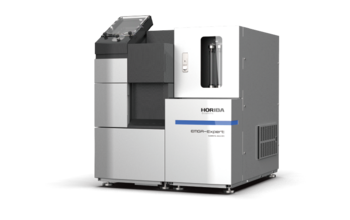
산소/질소/수소 분석기
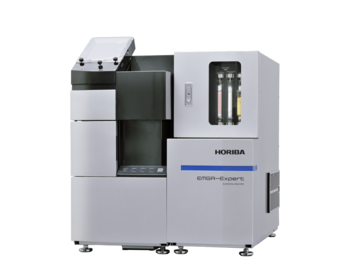
Hydrogen Analyzer EMGA Series
(Flagship High-Accuracy Model)
산소/질소/수소 분석기