Courtesy of Ill. Niklas Elmehed © Nobel Prize Outreach
The 2023 Nobel Prize in Chemistry was awarded to Moungi G. Bawendi, Louis E. Brus, and Alexei I. Ekimov for the discovery and development of quantum dots.
Quantum dots are tiny semiconductor particles that have unique optical and electronic properties. They are now used in a wide range of applications, including displays, LEDs, solar cells, and bioimaging.
Bawendi, Brus, and Ekimov independently discovered quantum dots in the late 1980s and early 1990s. They also developed methods to synthesize and control the properties of quantum dots. Their work has led to a revolution in nanotechnology and has made possible many new technologies.
Moungi G. Bawendi is the Lester Wolfe Professor of Chemistry at the Massachusetts Institute of Technology (MIT). He is a world-renowned chemist and pioneer in the field of nanotechnology. Bawendi is best known for his work on quantum dots, tiny semiconductor particles that have unique optical and electronic properties.
Bawendi was born in Paris, France in 1961. He received his bachelor's degree in chemistry from Harvard University in 1982 and his Ph.D. in chemistry from the University of Chicago in 1988. After completing his Ph.D., Bawendi joined Bell Laboratories as a postdoctoral fellow. In 1990, he joined the faculty at MIT.
Bawendi's research focuses on the synthesis, properties, and applications of quantum dots. He has developed new methods to synthesize quantum dots with high quality and control. He has also studied the fundamental properties of quantum dots and their potential applications in a wide range of fields, including displays, LEDs, solar cells, and bioimaging.
Bawendi's work has had a major impact on the field of nanotechnology. He is considered to be one of the leading experts on quantum dots and his work has paved the way for many new and exciting applications.
In 2023, Bawendi was awarded the Nobel Prize in Chemistry for his work on quantum dots. He shared the prize with Louis E. Brus of Columbia University and Alexei I. Ekimov of Nanocrystals Technology, Inc.
Bawendi is a highly respected member of the scientific community. He has received numerous awards and honors for his work, including the Wolf Prize in Chemistry (2012), the National Medal of Science (2014), and the Kavli Prize in Nanoscience (2016).
Bawendi is a brilliant scientist and a dedicated educator. He is committed to training the next generation of scientists and engineers. He is also passionate about using science to solve real-world problems.
Here are some of Bawendi's most notable contributions to science:
Development of new methods to synthesize quantum dots with high quality and control.
Study of the fundamental properties of quantum dots.
Demonstration of the potential applications of quantum dots in a wide range of fields, including displays, LEDs, solar cells, and bioimaging.
Bawendi's work has had a major impact on the field of nanotechnology and has paved the way for many new and exciting applications. He is a highly respected member of the scientific community and a dedicated educator.
Fluorescence spectroscopy is recognized as a highly useful tool in the study of quantum dots.
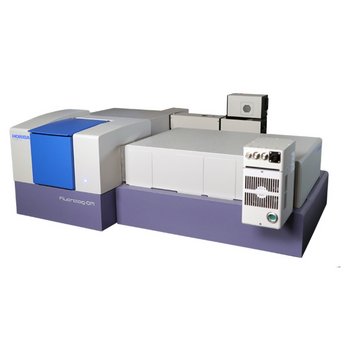
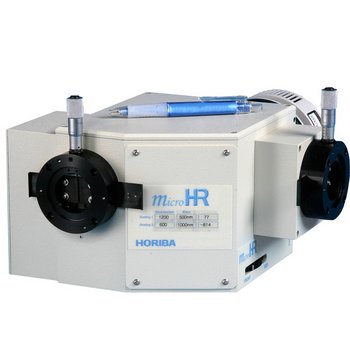
Bawendi uses a FluoroMax-3 at the Massachusetts Institute of Technology for his research. He’s also used multiple HORIBA fluorometers, ICP-OES, OSD spectrometers, and Raman instruments. He has also published with other researchers using HORIBA ICP-OES, OSD spectrometers, and Raman instruments, which includes the Activa ICP OES, HR800, Fluorolog-2, Triax 320 and the LabRam Evolution.

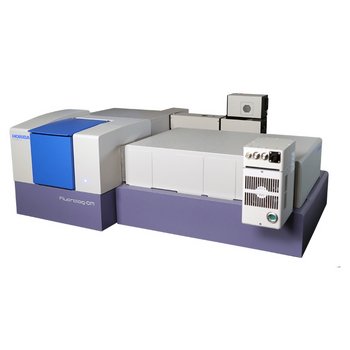
Modular Research Fluorometer for Lifetime and Steady State Measurements
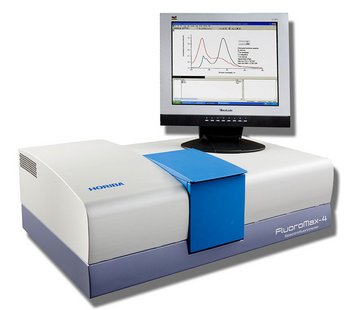
Steady State and Lifetime Benchtop Spectrofluorometer
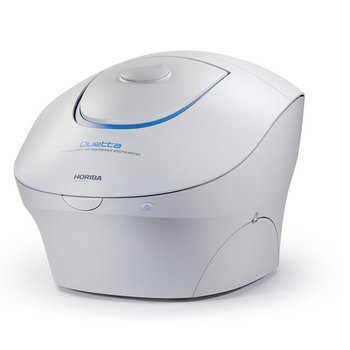
Fluorescence and Absorbance Spectrometer

A-TEEM Spectroscopy
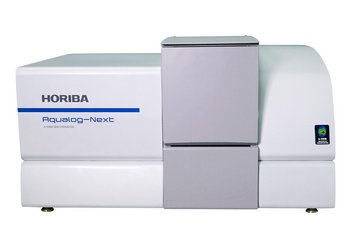
Unlock Unprecedented Insights into Water Quality and Environmental Health
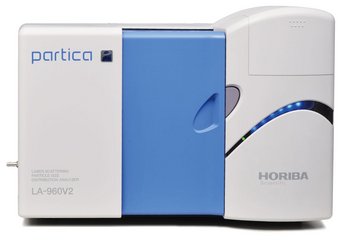
레이저 산란 입자 크기 분포 분석기
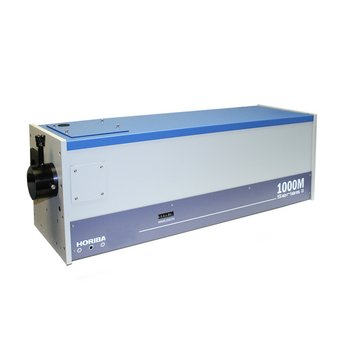
장초점거리 분광계
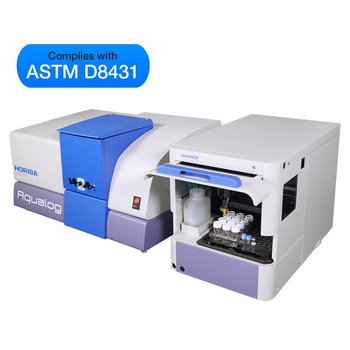
A Simple, Fast, “Column Free” Molecular Fingerprinting Technology
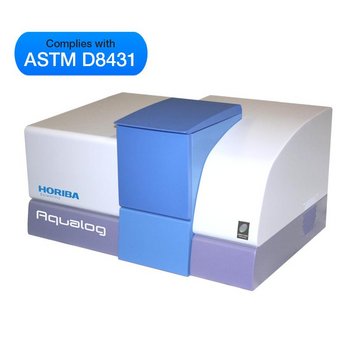
The Gold Standard for Water CDOM Research
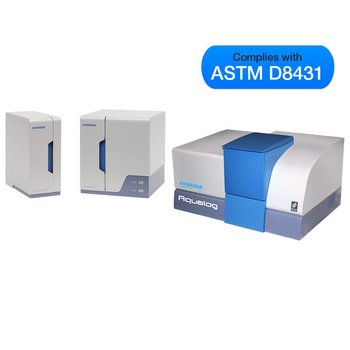
Automated Organic Analysis & Early Warning Sentinel
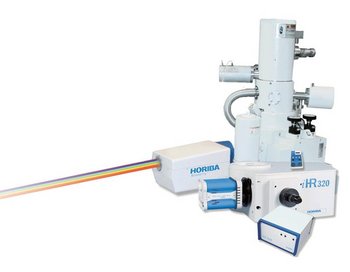
Cathodoluminescence Solutions for Electron Microscopy
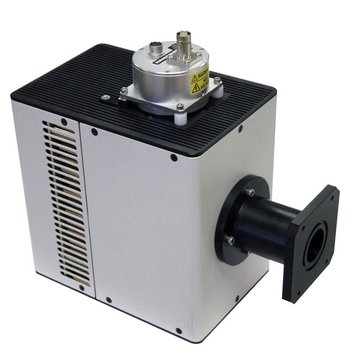
Dual Mode Analog/Photon Counting PMT

Pulsed Laser and LED Light Sources
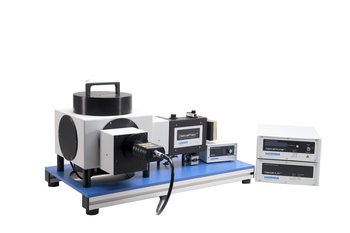
형광수명측정기
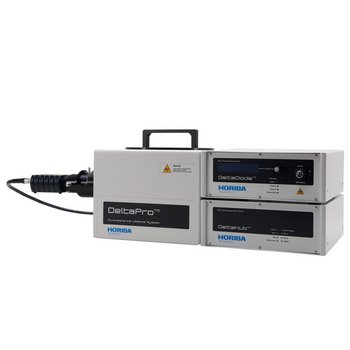
형광수명측정기
TCSPC Lifetime Kit
Integrate HORIBA components into third-party software applications
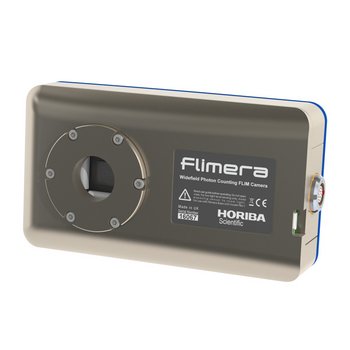
Imaging camera for dynamic FLIM studies at real time video rates
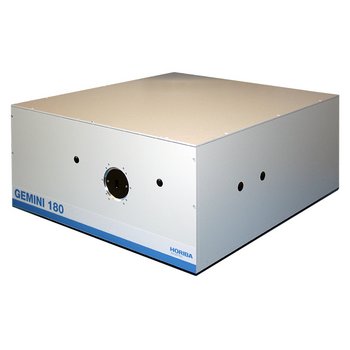
Double monochromator
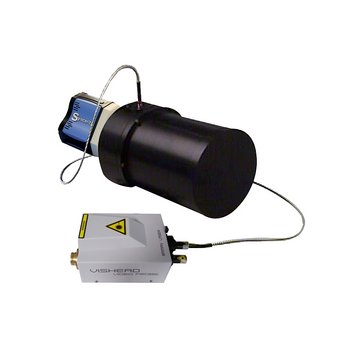
High efficiency dedicated process Raman spectrometer for rugged and robust Raman monitoring.
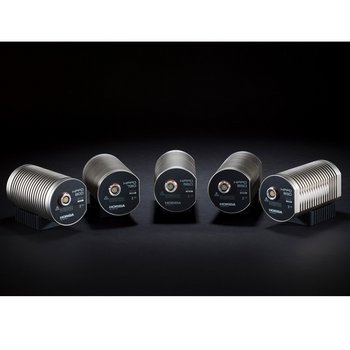
HORIBA’s latest development in TCSPC detector technology

중초점 길이 이미징 분광기
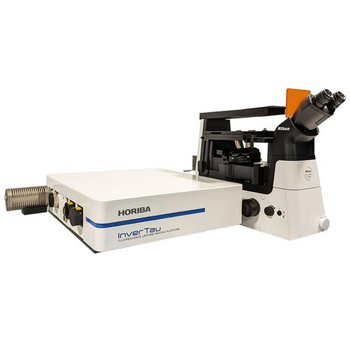
Fluorescence Lifetime Imaging Platform
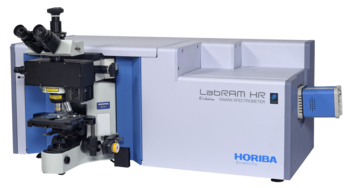
Confocal Raman Microscope
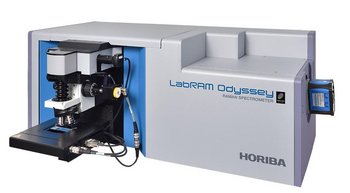
Confocal Raman & High-Resolution Spectrometer
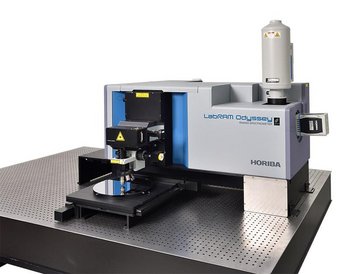
Photoluminescence and Raman Wafer Imaging
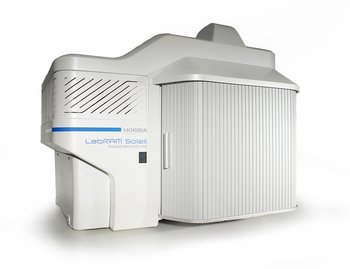
Raman Microscope

Compact Deuterium, Tungsten Halogen or Glow Bar Light Source
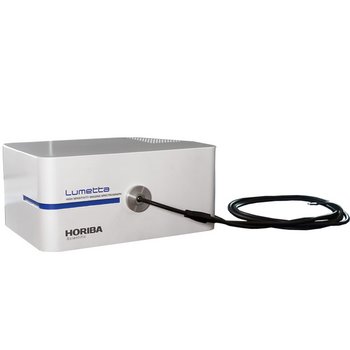
High Sensitivity Imaging Spectrograph
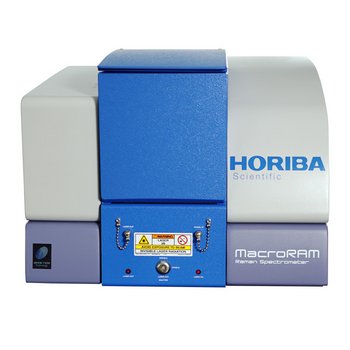
Affordable Benchtop Raman Spectrometer
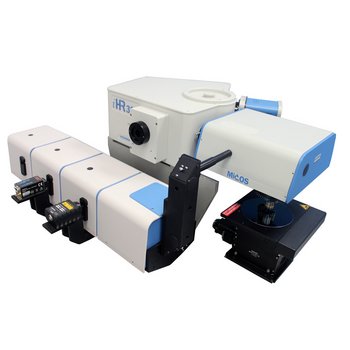
Photoluminescence Microspectrometer

Bench-top macroscopic Raman spectrometer

Collaborative Correlative Microscopy
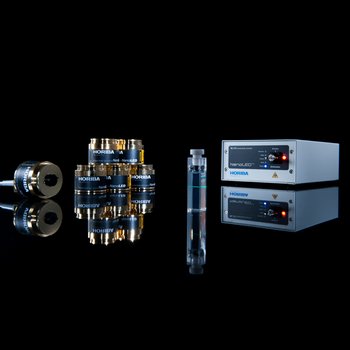
Pulsed Laser and LED Light Sources
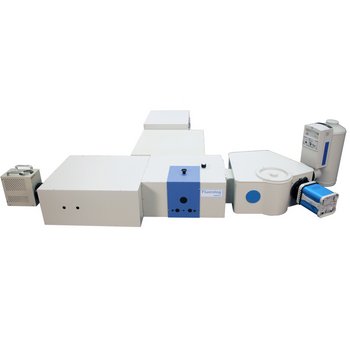
Steady State and Lifetime Nanotechnology EEM Spectrofluorometer

Choose from a large assortment of optical components for your custom spectroscopy solutions
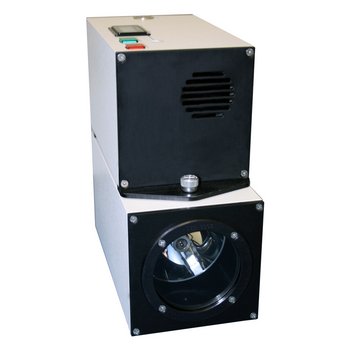
Broadband Xe Light Source
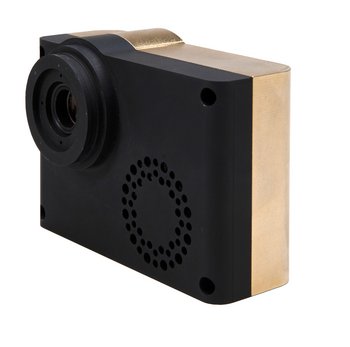
Single photons detection with picosecond accuracy
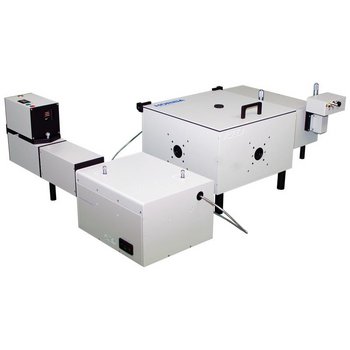
DeltaRAM-X based millisecond ratio fluorescence QuantaMaster spectrofluorometer
Raman Spectrometers
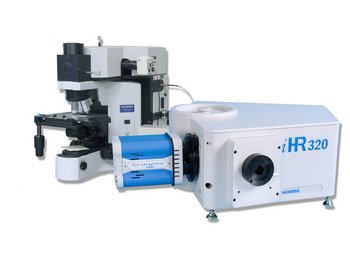
Fiber coupled microscope
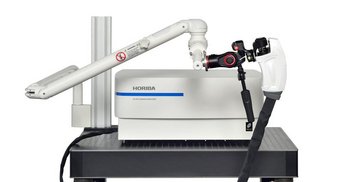
In Vivo Raman Analyzer

Large choice of PMTs, solid state, photoelectric detectors for custom spectroscopy solutions
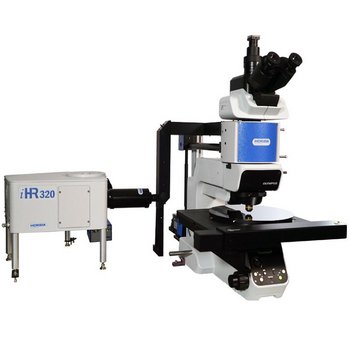
Add Spectroscopy to ANY Microscope
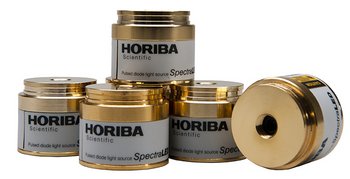
LED Phosphorescence Light Sources
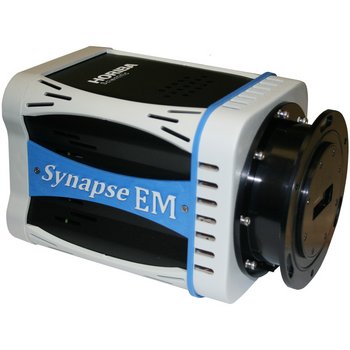
EMCCD Scientific Camera
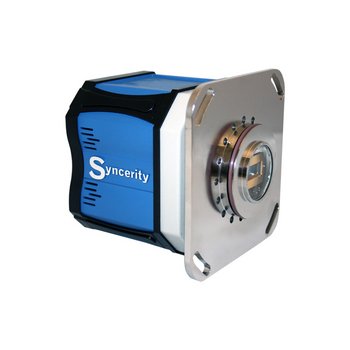
Deep Cooled Vacuum Ultra Violet Scientific Cameras

Raman accessory for pharmaceuticals

Short Focal Length Triple Grating Imaging Spectrographs
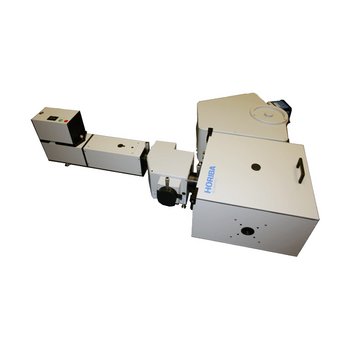
Tunable Broadband Light Sources

Tunable 75W Xe Light Source

Ultra Fast TCSPC Lifetime Fluorometer
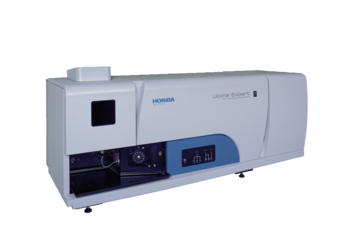
고해상도, 고감도, 고안정성 ICP-OES
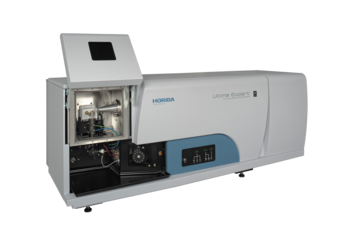
Affordable high performance ICP-OES
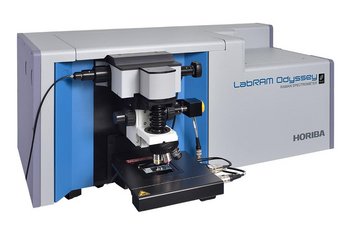
for UV Raman spectroscopists

A-TEEM Spectroscopy
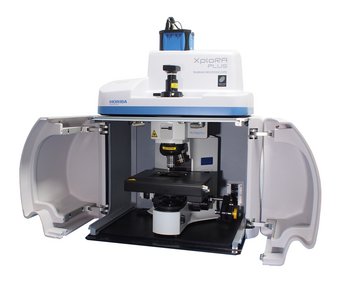
Raman Spectrometer - Confocal Raman Microscope
HORIBA제품의 자세한 정보를 원하시면, 아래의 양식에 내용을 입력을 부탁드립니다.