PDF
0.72 MB
Measuring Size of Light Absorbing Materials with Dynamic Light Scattering
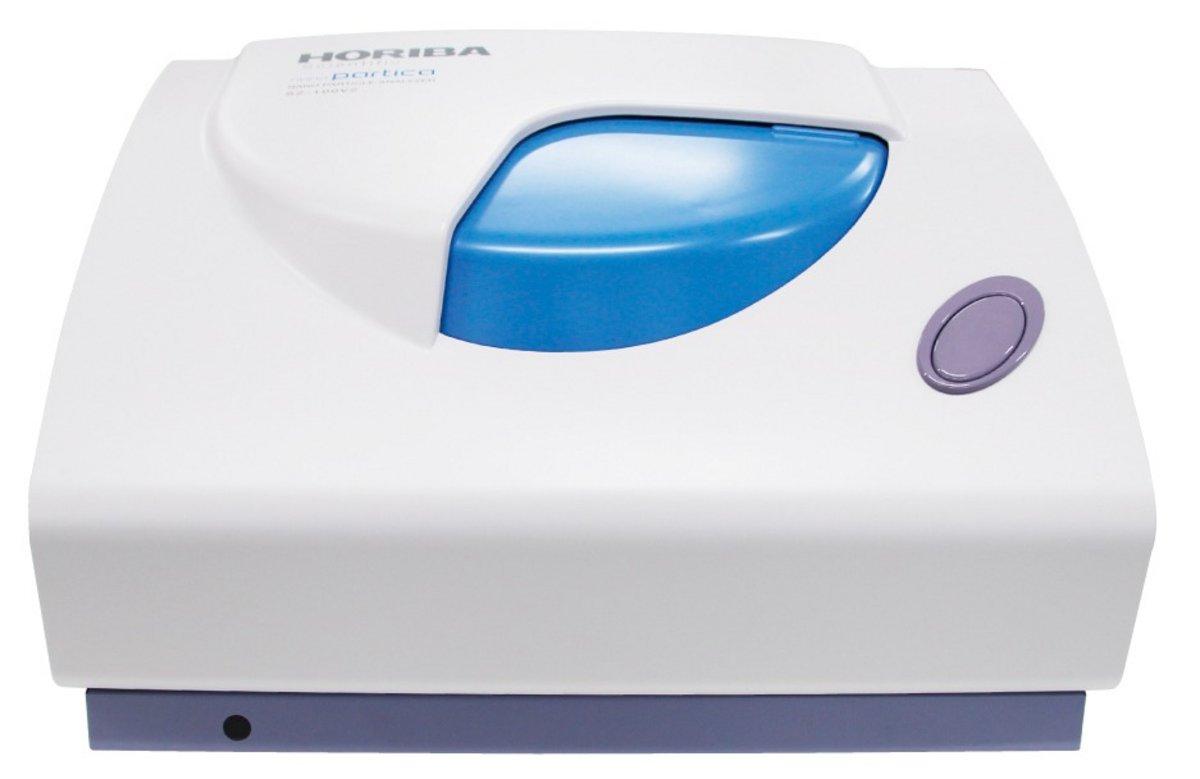
In this 应用笔记, a ~26 nm nanogold sample was measured with two different setups of 检测器 angle and 检测器 position using the SZ-100V2 nanoparticle analyzer. One setup was with the 90° 检测器 and cell center position, and the other setup was with the 173° 检测器 and cell wall position. The absorption spectrum of the nanogold was also confirmed using a Duetta Fluorescence and Absorbance Spectrometer.