Courtesy of Ill. Niklas Elmehed © Nobel Prize Outreach
The 2023 Nobel Prize in Chemistry was awarded to Moungi G. Bawendi, Louis E. Brus, and Alexei I. Ekimov for the discovery and development of quantum dots.
Quantum dots are tiny semiconductor particles that have unique optical and electronic properties. They are now used in a wide range of applications, including displays, LEDs, solar cells, and bioimaging.
Bawendi, Brus, and Ekimov independently discovered quantum dots in the late 1980s and early 1990s. They also developed methods to synthesize and control the properties of quantum dots. Their work has led to a revolution in nanotechnology and has made possible many new technologies.
Moungi G. Bawendi is the Lester Wolfe Professor of Chemistry at the Massachusetts Institute of Technology (MIT). He is a world-renowned chemist and pioneer in the field of nanotechnology. Bawendi is best known for his work on quantum dots, tiny semiconductor particles that have unique optical and electronic properties.
Bawendi was born in Paris, France in 1961. He received his bachelor's degree in chemistry from Harvard University in 1982 and his Ph.D. in chemistry from the University of Chicago in 1988. After completing his Ph.D., Bawendi joined Bell Laboratories as a postdoctoral fellow. In 1990, he joined the faculty at MIT.
Bawendi's research focuses on the synthesis, properties, and applications of quantum dots. He has developed new methods to synthesize quantum dots with high quality and control. He has also studied the fundamental properties of quantum dots and their potential applications in a wide range of fields, including displays, LEDs, solar cells, and bioimaging.
Bawendi's work has had a major impact on the field of nanotechnology. He is considered to be one of the leading experts on quantum dots and his work has paved the way for many new and exciting applications.
In 2023, Bawendi was awarded the Nobel Prize in Chemistry for his work on quantum dots. He shared the prize with Louis E. Brus of Columbia University and Alexei I. Ekimov of Nanocrystals Technology, Inc.
Bawendi is a highly respected member of the scientific community. He has received numerous awards and honors for his work, including the Wolf Prize in Chemistry (2012), the National Medal of Science (2014), and the Kavli Prize in Nanoscience (2016).
Bawendi is a brilliant scientist and a dedicated educator. He is committed to training the next generation of scientists and engineers. He is also passionate about using science to solve real-world problems.
Here are some of Bawendi's most notable contributions to science:
Development of new methods to synthesize quantum dots with high quality and control.
Study of the fundamental properties of quantum dots.
Demonstration of the potential applications of quantum dots in a wide range of fields, including displays, LEDs, solar cells, and bioimaging.
Bawendi's work has had a major impact on the field of nanotechnology and has paved the way for many new and exciting applications. He is a highly respected member of the scientific community and a dedicated educator.
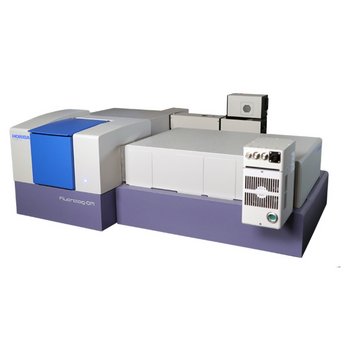
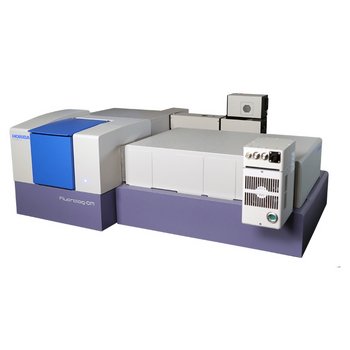
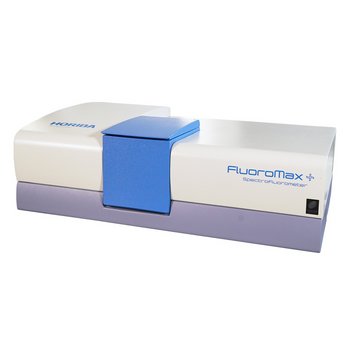
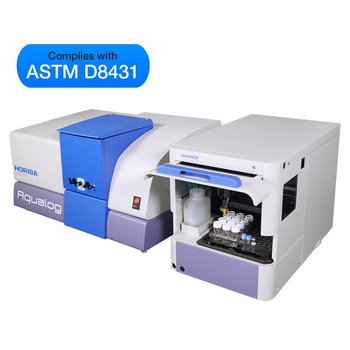
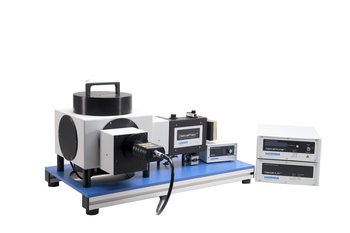
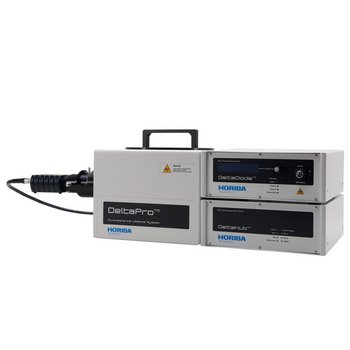
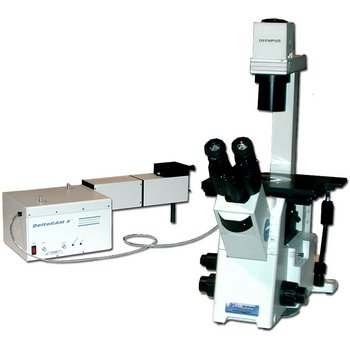
Fluorescence spectroscopy is recognized as a highly useful tool in the study of quantum dots.
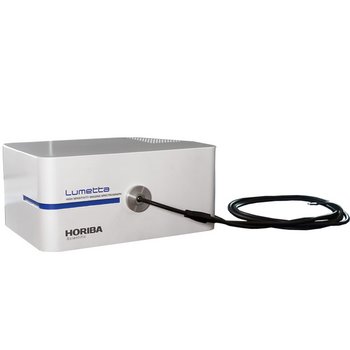
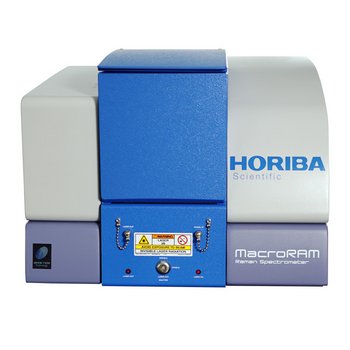
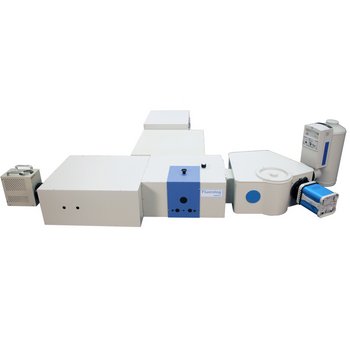
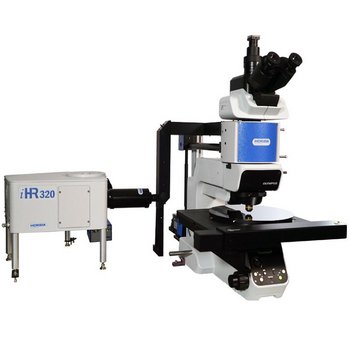
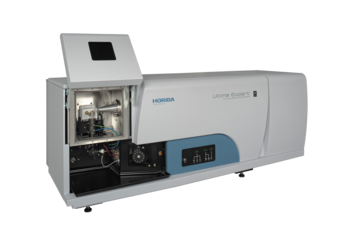
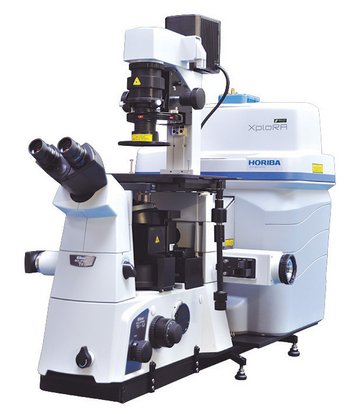
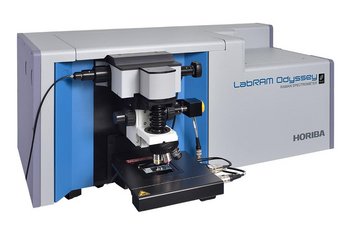
Bawendi uses a FluoroMax-3 at the Massachusetts Institute of Technology for his research. He’s also used multiple HORIBA fluorometers, ICP-OES, OSD spectrometers, and Raman instruments. He has also published with other researchers using HORIBA ICP-OES, OSD spectrometers, and Raman instruments, which includes the Activa ICP OES, HR800, Fluorolog-2, Triax 320 and the LabRam Evolution.