The mystery of gemstone colors has finally been revealed

The China University of Geosciences fills in the blanks in emerging gemstone research

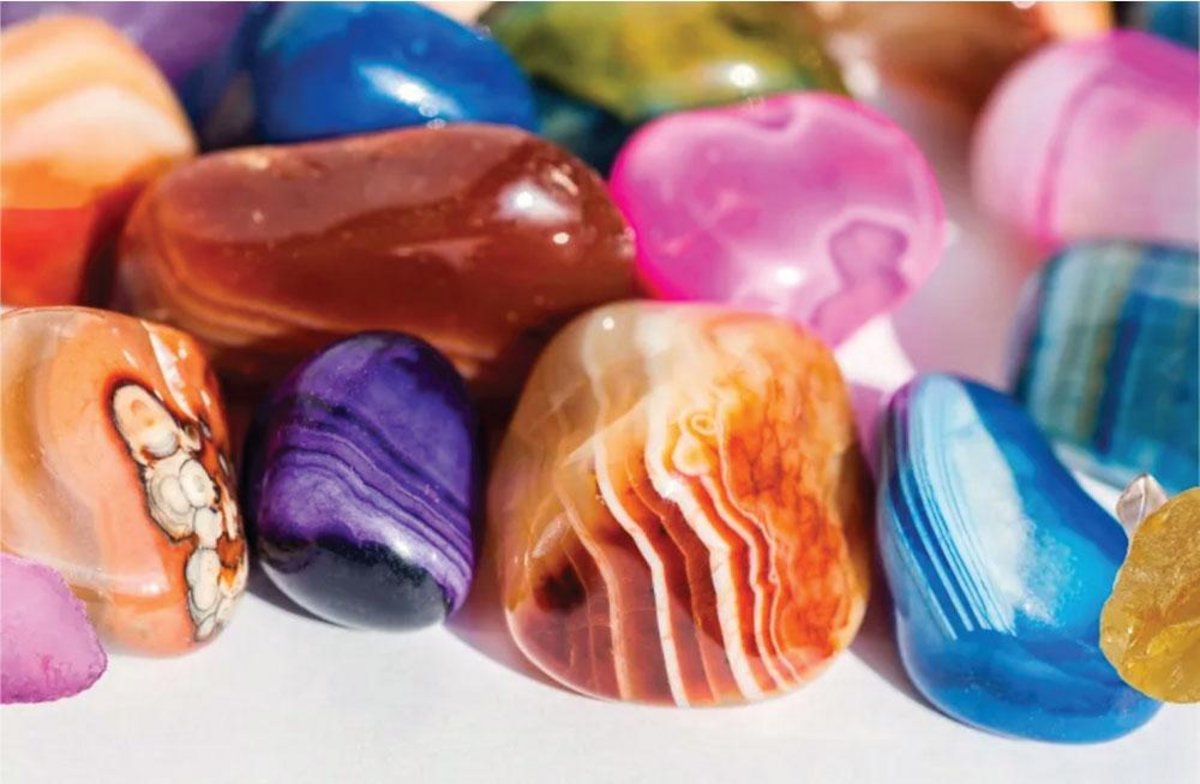
Have you heard of Hezhou Jade, Jinsha Jade, Hulunbeier Pink Agate, or Xunke Purple Agate? These colorful and distinctive gemstones are newly emerging regional varieties of jade and agate in China. However, basic research on these emerging gemstones is still limited compared to mature gemstones like jadeite and diamonds which have well-established identification and spectroscopic testing methods. Whether it comes to understanding the key color-forming mechanisms or establishing scientific quality grading standards, most of the research is still in the early stage or even non-existent. The situation severely restricts market standardization and consumer awareness. Therefore, it is urgent to establish comprehensive evaluation standards for these gemstones using modern scientific methods.

In recent years, several new regional jade varieties have emerged in China's jewelry market. These gemstones have gradually gained market popularity due to their unique colors, textures, and cultural heritage. However, their market value has not yet been realized fully due to the unclear color-forming mechanisms and the lack of research. Professor He Xuemei’s research group at the School of Gemmology, China University of Geosciences (Beijing), studied emerging gemstones such as Hezhou jade, Jinsha jade, and Xunke purple agate from Guangxi Province. Professor He Xuemei’s research group at the School of Gemmology, China University of Geosciences (Beijing), studied emerging gemstones such as Hezhou jade, Jinsha jade, and Xunke purple agate from Guangxi Province with XGT-9000. Her research team carried out comprehensive research on the element compositions, concentrations, and special structures. The team found that the content of color-determining elements has a positive correlation with the depth of color. This achievement not only fills a blank in the scientific research of the emerging gemstones, but also promises to improve the industry's evaluation system from a scientific perspective.
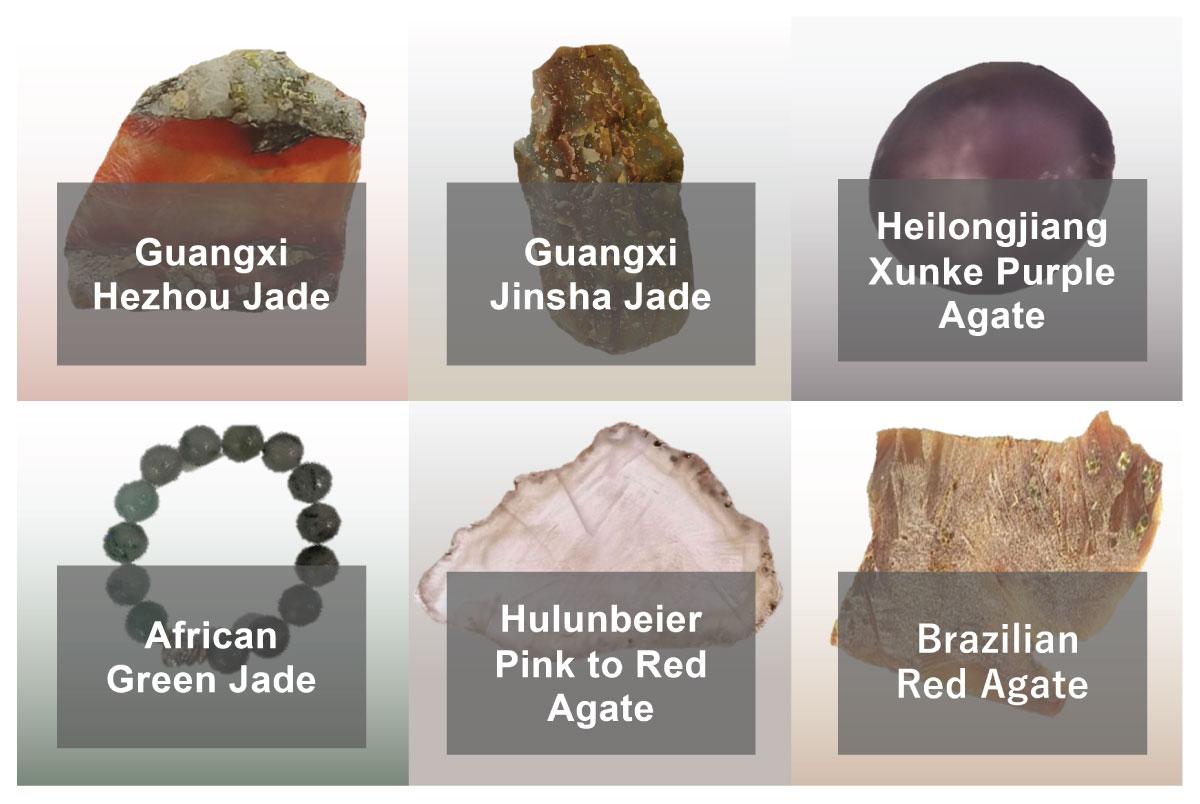
*The new gemstones studied in this article are: Guangxi Hezhou Jade, Jinsha Jade, Heilongjiang Xunke Purple Agate, African Green Jade, Hulunbeier Pink to Red Agate, and Brazilian Red Agate. That’s six new regional jade varieties and agate species.

Elemental homology exploration, X-ray Fluorescence imaging

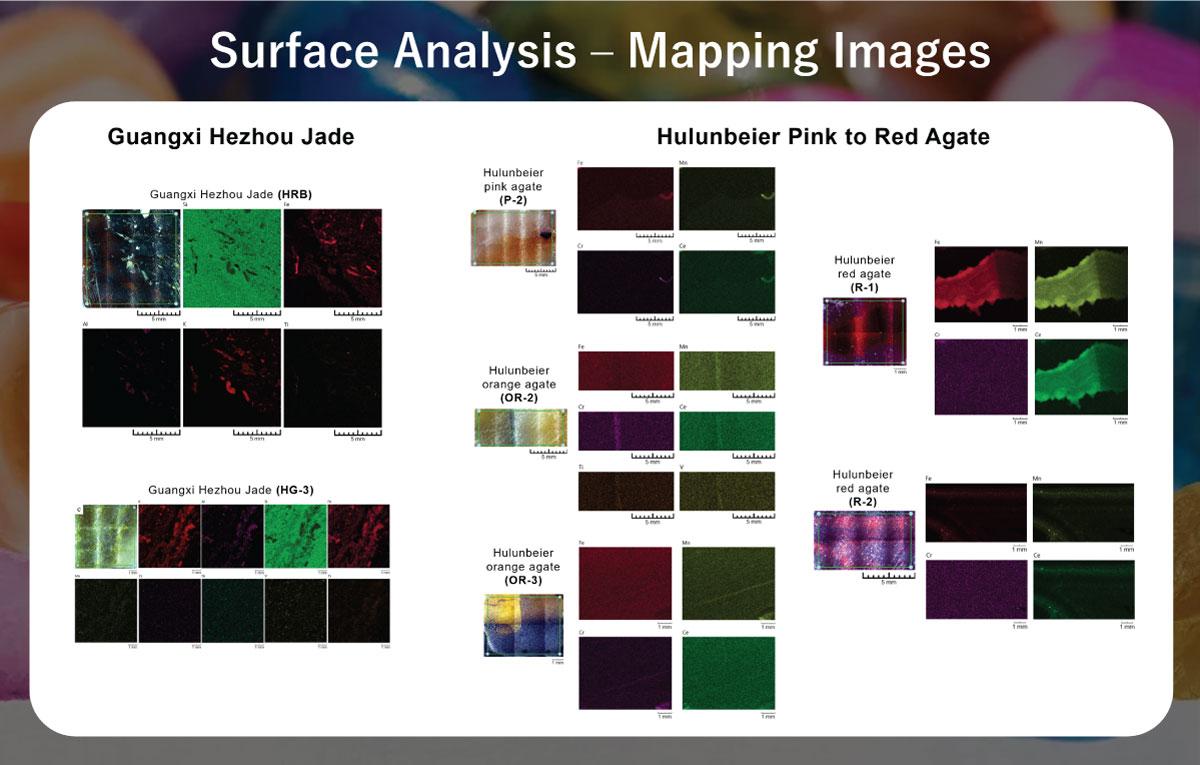
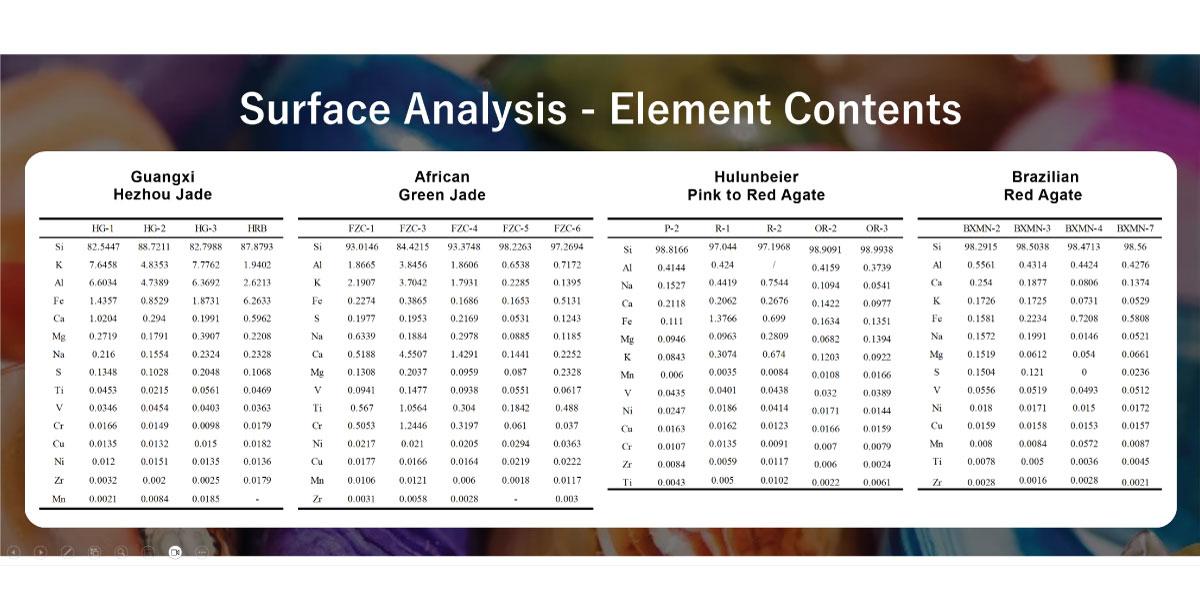
To meet the demand for non-destructive and micro-area analysis of precious gemstone samples, the research team performed surface scanning of the samples using micro-area X-ray fluorescence spectroscopy (XRF) first to determine the elemental composition and distribution. Subsequently, detailed analyses were conducted on the regions of interest by point measurements. The surface scanning results showed that the main component of different quartz-based jade was silicon (Si), with trace elements such as sodium (Na), calcium (Ca), iron (Fe), and manganese (Mn).

Here, a question arises: In situations where different gemstones have similar elemental compositions, do they exhibit different distributions of the elements or similar distributions? XRF imaging shows the spatial distribution of elements. As shown in the XRF mapping results, you can see that the higher the element contents with the stronger the fluorescent X-ray signals, and the fluorescent X-rays change significantly in different color regions, impurity minerals, and special structures. Thus, the results provided us hints of where to analyze as next step.

Clever micro-area pointing. Take a closer look at the origins of the hues

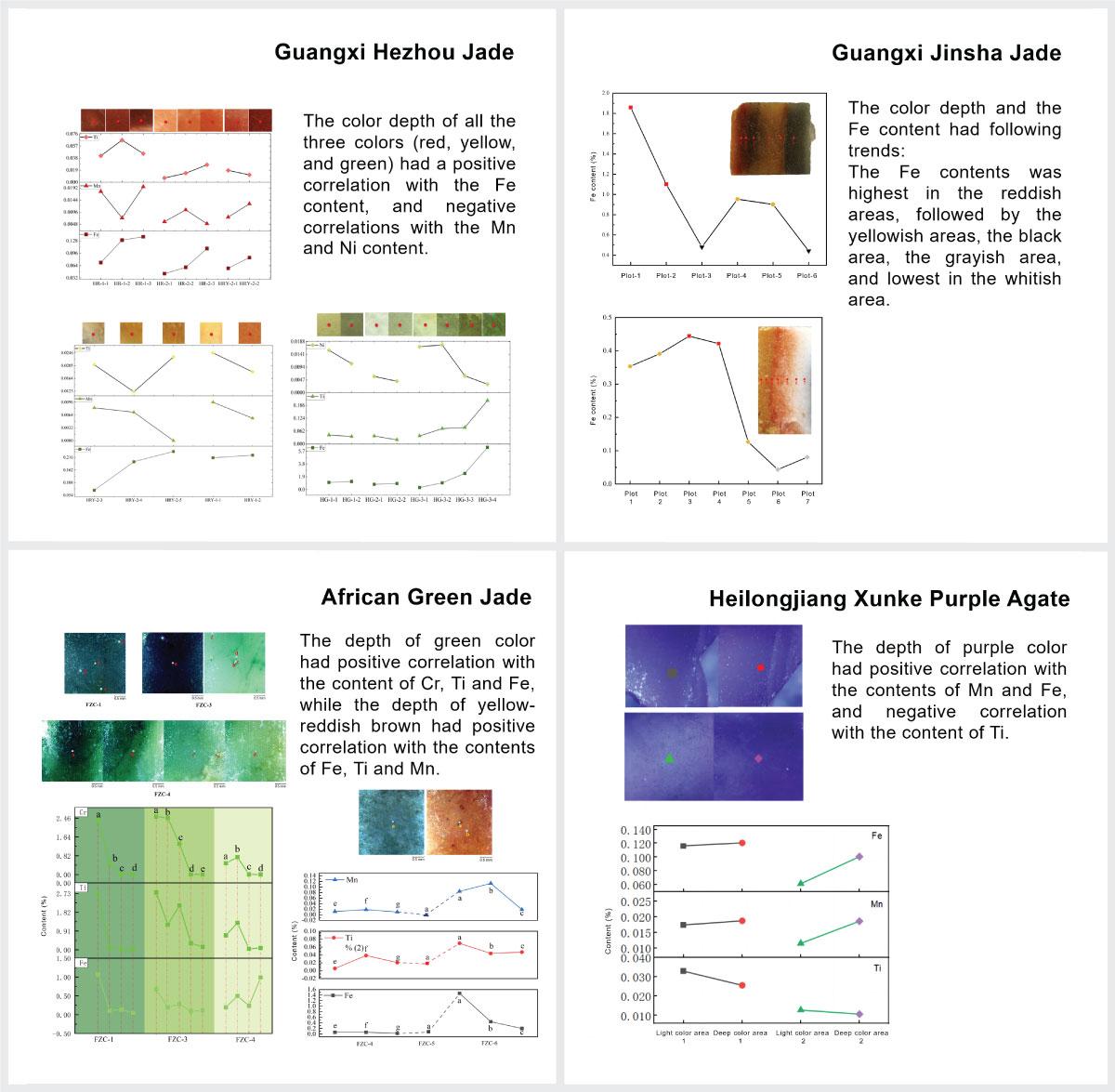
In the spot measurement step, the research team first tested pure color areas to explore the relationship between element contents and the color tone depth. The results are shown in the figures below. The results suggested that the more content of color-forming elements, the deeper the color tones.

  • Guangxi Hezhou Jade
    The color depth of all the three colors (red, yellow, and green) had a positive correlation with the Fe content, and negative correlations with the Mn and Ni content.
  • Guangxi Jinsha Jade
    The color depth and the Fe content had following trends: The Fe contents was highest in the reddish areas, followed by the yellowish areas, the black area, the grayish area, and lowest in the whitish area.
  • African Green Jade
    The depth of green color had positive correlation with the content of Cr, Ti and Fe, while the depth of yellow-reddish brown had positive correlation with the contents of Fe, Ti and Mn.
  • Heilongjiang Xunke Purple Agate
    The depth of purple color had positive correlation with the contents of Mn and Fe, and negative correlation with the content of Ti.


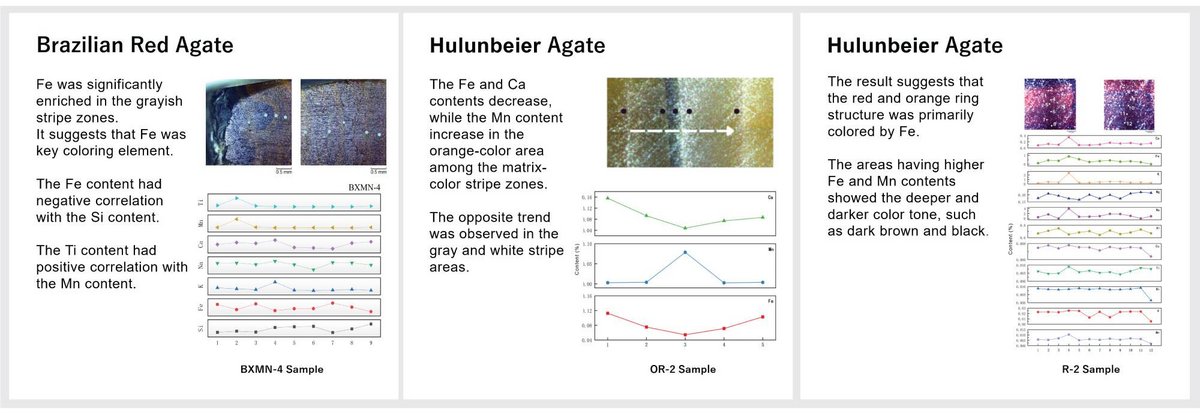
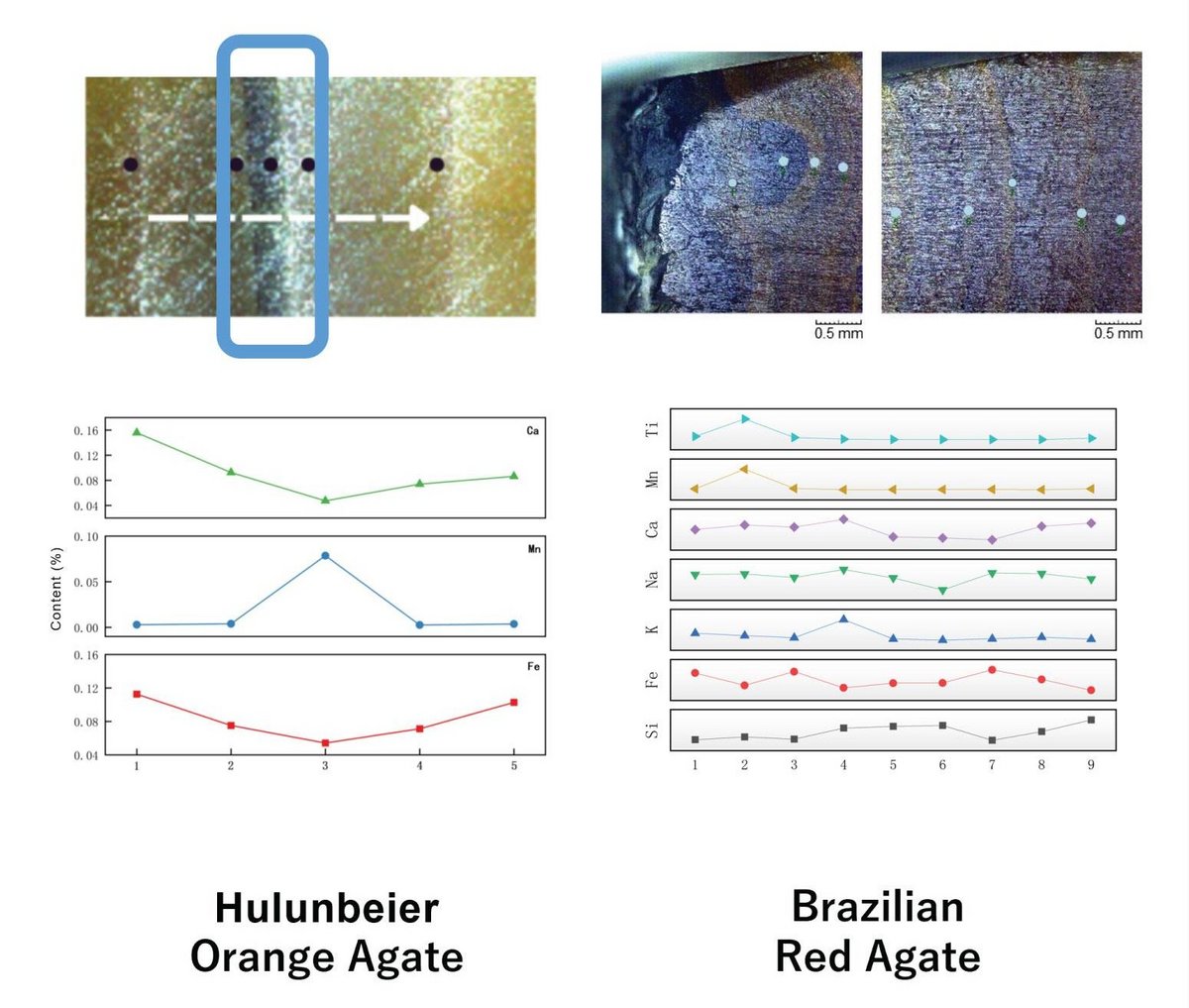
The researchers also tested special structures such as the gemstone matrixes, stripes, and rings after completing the solid color zone analysis. This is because these areas often exhibit special color characteristics. The figures below show the relationship between specific element types, content changes, and special colors, providing important data for research on gemstone coloring mechanisms.

  • Brazilian Red Agate
    Fe was significantly enriched in the grayish stripe zones. It suggests that Fe was key coloring element. The Fe content had negative correlation with the Si content. The Ti content had positive correlation with the Mn content.
  • Hulunbeier Agate
    The Fe and Ca contents decrease, while the Mn content increase in the orange-color area among the matrix-color stripe zones. The opposite trend was observed in the gray and white stripe areas.
  • Hulunbeier Agate
    The result suggests that the red and orange ring structure was primarily colored by Fe. The areas having higher Fe and Mn contents showed the deeper and darker color tone, such as dark brown and black.


It is noteworthy that the study of elemental changes in special structures can also help to estimate the formation process of gemstones. As shown in the blue highlight in the left figure below, the grayish-white stripes in the orange agate from Hulunbeier are derived from Fe brought by external hydrothermal fluids, which later formed a grayish-black mixed color with Mn. The co-enrichment of Ti and Mn in the stripes of Brazilian red agate suggests that the two may have coexisted in the hydrothermal fluids in the form of minerals.

Changes in elements in special structures provide evidence for gem formation conditions.

The spirit of scientific research breaks through the fog, leading the way in cutting-edge technology and driving innovation forward

Driven by a passion for gemstone research, Professor He Xuemei's research team has established a comprehensive foundational research framework for emerging gemstones to fill the significant research questions in this field. Their findings are expected to provide scientific benchmarks for the quantification of quality indicators for emerging gemstones. Technological innovation never stops—the evolution of artificial intelligence and deep learning, along with the precision-driven iteration of non-destructive testing technologies are accelerating gemstone research into a new era of efficient and scientific development with unprecedented momentum. It is believed that more research teams will engage in scientific research, collaborate with cutting-edge technology, fill in the gaps in scientific gemstone identification, and lead gemstone research into a new era of efficient and scientific development.

Reliable assistant, skillful collaboration, and exploration of the mysteries of gemstones

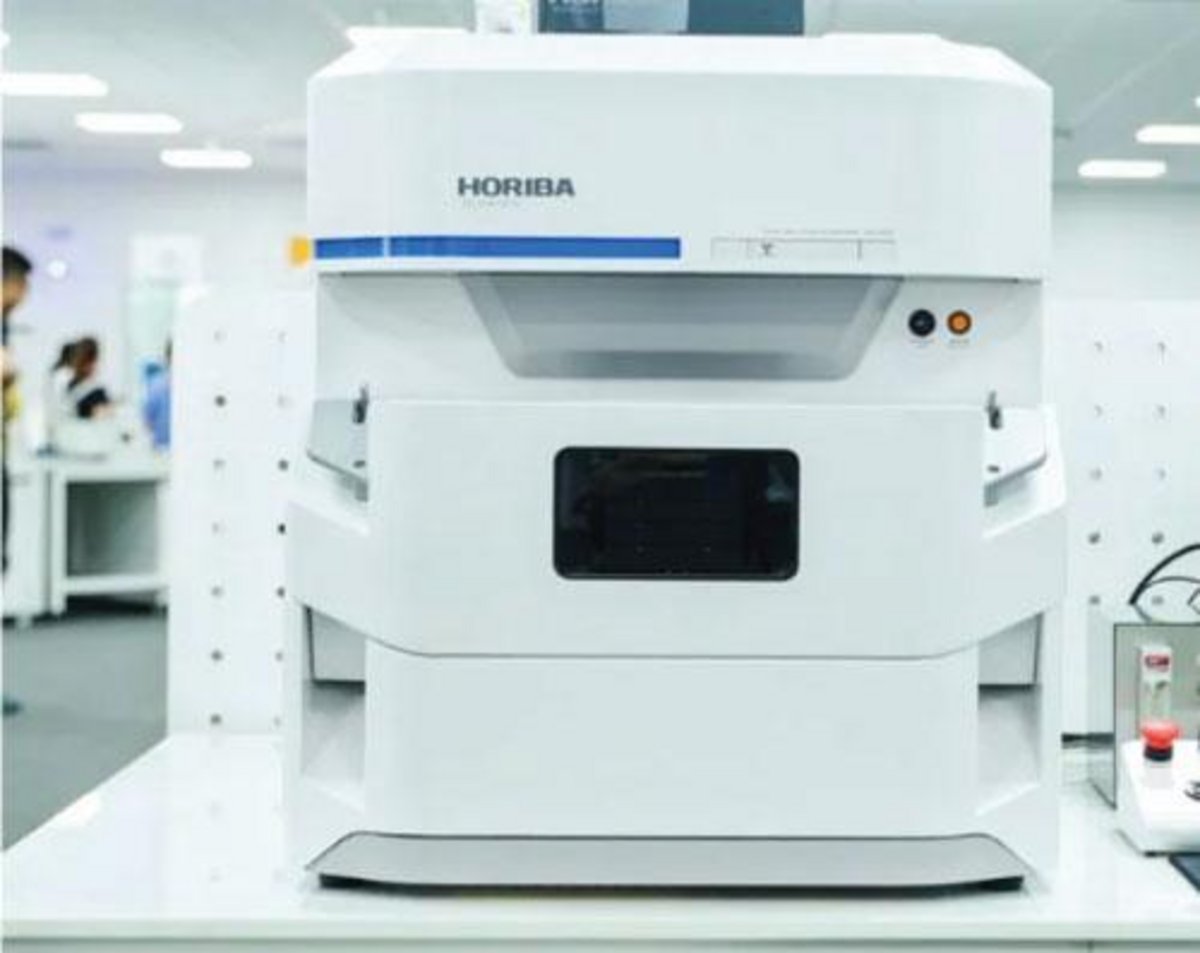
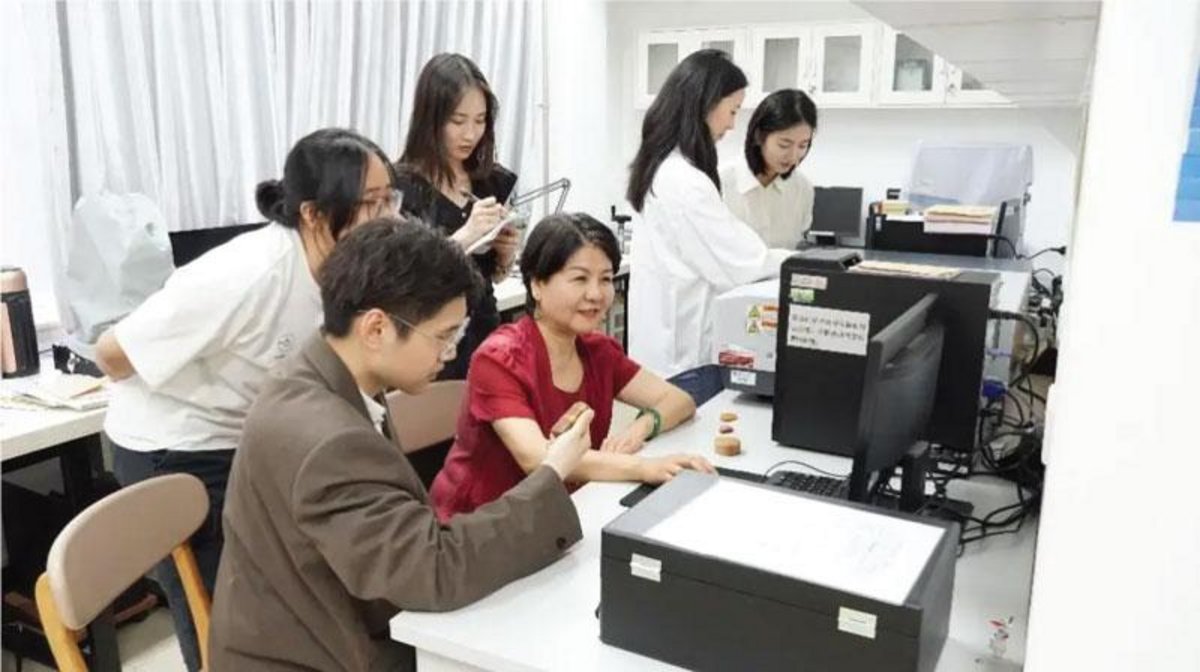
The study was conducted using the XGT-9000 Micro-X-ray Fluorescence Analyzer located at the HORIBA Advanced Application Development Center, in Shanghai, China. This instrument offers high spatial resolution and accuracy, enabling not only accurate measurement of elemental contents but also clear visualization of elemental distribution. It provides reliable technical insights into the gemstone coloration mechanism. Professor He Xuemei's research group has maintained a long-standing collaborative relationship with the HORIBA Advanced Application Development Center in China. Both parties are committed to sharing resources and combining their strengths to promote the long-term development of gemology materials research.

If you are interested in the product information and quotation, please visit the XGT-9000 product page to find the information or send your inquiry in the web form, and our experts will contact you promptly.

Professor He Xuemei’s research team

Ms. He Xuemei is a professor in School of Gemmology, China University of Geosciences (Beijing). She is mainly engaged in teaching and research in the fields of gemstone materials science and mineralogy. She has been involved in more than ten research projects, including the National Standardization Committee’s project to develop the national standard for “Northern Red Agate” and the compilation of the first “Geological Atlas of China’s Mineral Resources: Gemstones Volume (Popular Edition)” since the founding of the People’s Republic of China. She has published 172 papers in professional journals in China and abroad in total (12 of which are SCI-indexed).

HORIBA’s Frontier Application Development Center

HORIBA’s Advanced Application Development Center (Analytical Solution Plaza, ASP) in China offers HORIBA’s cutting-edge instruments and equipment. With a team of experienced experts, HORIBA ASP is committed to fostering deeper cooperation and collaborative innovation with Chinese customers. At the same time, HORIBA ASP actively builds bridges between industry, academia, and research to establish strategic partnerships with major universities and research institutions to build joint laboratories, create intellectual property, and develop industry standards. In addition, HORIBA ASP makes full use of its existing equipment and personnel to cultivate the next generation of scientific research talents. Currently, HORIBA Groups operate 19 Advanced Application Development Centers worldwide, with over 30 years of experience. By integrating global cutting-edge technology and application expertise, HORIBA ASP in China will collaborate with Chinese customers to drive mutual growth and contribute more to China’s technological development.


Disclaimer of Warranties

The content (including pictures) published by the HORIBA official account comes from the original creator of the article or is reprinted on the Internet, with the purpose of conveying more information for sharing, for readers' own reference and comment. The copyright, data and opinions of the article belong to the original author or the original source. This English translated article is made under the permission and approval from the original author. This article does not bear any legal review duty of care and does not assume any legal responsibility. If you have any questions, please contact the original creator or source.

The original Chinese web article: Contributed by Professor He Xuemei. Editors: Fanny and Iris. Reviewed by Lucy, Joanna, and Ping Sun.
English version: Translated by Chiya Nishimura, Howard Frank, and Fanny. Reviewed and by Professor He Xuemei.

Follow Us 


留言咨询

如您有任何疑问,请在此留下详细需求信息,我们将竭诚为您服务。

* 这些字段为必填项。

Corporate